

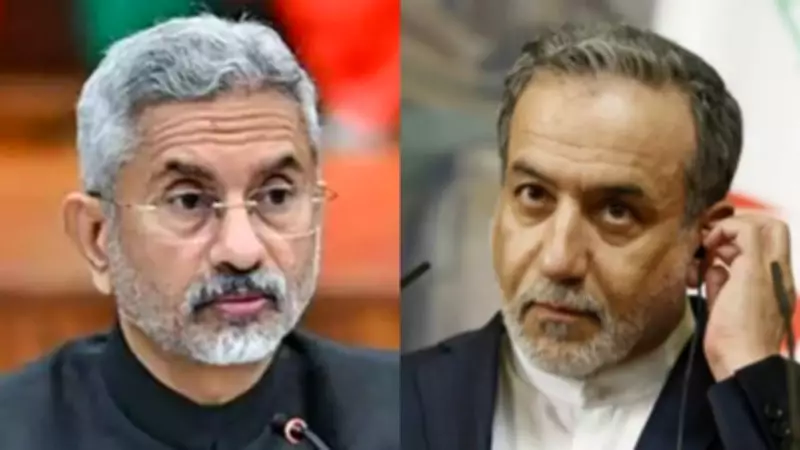
India Engages Iran on West Asia Conflict as Tensions Escalate
External Affairs Minister Dr. S Jaishankar engaged in a crucial diplomatic conversation with his Iranian counterpart, Foreign Minister Abbas Araghchi, on Saturday. The discussion centered on the rapidly evolving and dangerous conflict in West Asia, with both leaders exchanging formal greetings for the Navroz and Eid festivals occurring amidst the regional turmoil.
Diplomatic Exchange on Regional Implications
In a detailed post on the social media platform X, Minister Jaishankar confirmed the dialogue, stating, "Spoke this evening to FM Araghchi of Iran. Conveyed greetings for Navroz and Eid. Our conversation was on the latest developments regarding the conflict. And its implications for the larger region." This high-level contact occurs against a backdrop of severely heightened tensions, with the Iranian embassy in India subsequently releasing a statement providing further context from Minister Araghchi's perspective.
The Iranian Foreign Minister characterized the crisis in the Persian Gulf and the strategically vital Strait of Hormuz as a direct consequence of "the hostile and aggressive actions of the United States and Israel." He presented a clear condition for de-escalation, asserting that "Normalisation of the situation depends on the cessation of attacks and aggression by the aggressors, and that any halt to the war must be accompanied by guarantees preventing the recurrence of such aggressions."

Prime Minister Modi's Parallel Outreach
In a parallel diplomatic initiative, Prime Minister Narendra Modi also connected with Iranian President Dr. Masoud Pezeshkian. The leaders exchanged festive greetings, with PM Modi expressing hope that the season would bring "peace, stability and prosperity to West Asia." However, the conversation swiftly turned to grave concerns over the security situation.
Prime Minister Modi explicitly condemned recent attacks targeting critical infrastructure in the region, warning that such actions threaten regional stability and disrupt global supply chains. He strongly reiterated the fundamental importance of safeguarding freedom of navigation and ensuring that international shipping lanes remain open, secure, and unimpeded—a key interest for global trade and energy markets. The Prime Minister also acknowledged and appreciated Iran's ongoing cooperation in ensuring the safety and security of the Indian community residing within its borders.
Roots of the Current Crisis
The present escalation traces its origins to a pivotal event on February 28, marked by the killing of Iran's Supreme Leader Ayatollah Ali Khamenei in joint military strikes conducted by the United States and Israel. Iran's retaliatory measures have since targeted US and Israeli assets across several Gulf nations and within Israel itself. These actions have significantly disrupted key maritime waterways, sending shockwaves through global energy markets and raising the specter of a broader regional war.
The coordinated diplomatic outreach from India's highest levels underscores the serious international ramifications of the conflict. The discussions highlight India's vested interest in regional stability, the security of its expatriate citizens, and the uninterrupted flow of commerce through vital international straits. The calls reflect a diplomatic effort to engage with all parties, convey concerns directly, and advocate for a cessation of hostilities to prevent further humanitarian and economic fallout.






