

Iran Grants India Safe Passage Through Strategic Strait of Hormuz Amid Regional Conflict
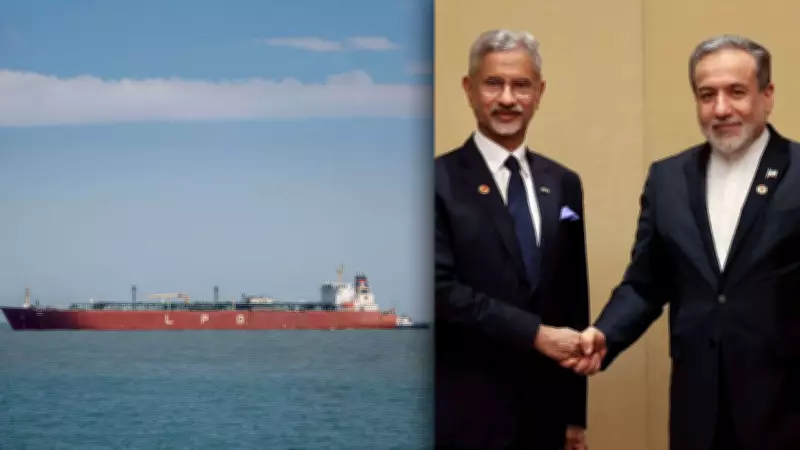
In a significant geopolitical development, Iran has officially classified India as a "friendly nation," granting its vessels safe passage through the critically important Strait of Hormuz. This strategic energy corridor has become a high-stakes checkpoint as regional tensions escalate, with Iran now openly restricting ships linked to rival countries.
Severe Disruption to Global Shipping and Energy Supply Chains
The ongoing conflict in the region has caused shipping traffic through the Strait of Hormuz to plunge by nearly 95 percent. This dramatic reduction has placed immense strain on global energy supply chains, creating uncertainty and volatility in international markets. Access through this vital maritime route is no longer automatic but has become dependent on strategic diplomatic alignments and bilateral relationships.
For India, this development represents both a crucial opportunity and a stark warning about energy security vulnerabilities. While the friendly nation status ensures continued energy flow for the immediate future, it also highlights the precarious nature of relying on a transit route that can be controlled or restricted overnight by regional powers.

India's Strategic Response to Geopolitical Realities
As global tensions continue to reshape traditional trade routes and energy corridors, India is actively adapting its foreign policy and energy security strategy. The country is pursuing a multi-pronged approach that prioritizes diplomatic engagement while simultaneously working to diversify its energy sources and transportation routes.
This strategic recalibration comes at a critical juncture in international relations, where traditional alliances are being tested and new geopolitical realities are emerging. India's ability to maintain access through the Strait of Hormuz demonstrates the effectiveness of its diplomatic outreach, but also underscores the need for greater energy independence in an increasingly uncertain global order.
The Broader Implications for International Trade and Diplomacy
The situation in the Strait of Hormuz serves as a microcosm of larger shifts in global power dynamics. Key developments include:
- Iran's selective access policy creating a new paradigm for maritime transit rights
- The transformation of strategic waterways into geopolitical leverage points
- Growing recognition that energy security requires both diplomatic engagement and supply diversification
- The emergence of new criteria for international cooperation beyond traditional alliance structures
As countries worldwide reassess their energy security strategies in response to these developments, India's experience with the Strait of Hormuz access provides valuable insights into navigating complex geopolitical landscapes while safeguarding national interests.






