

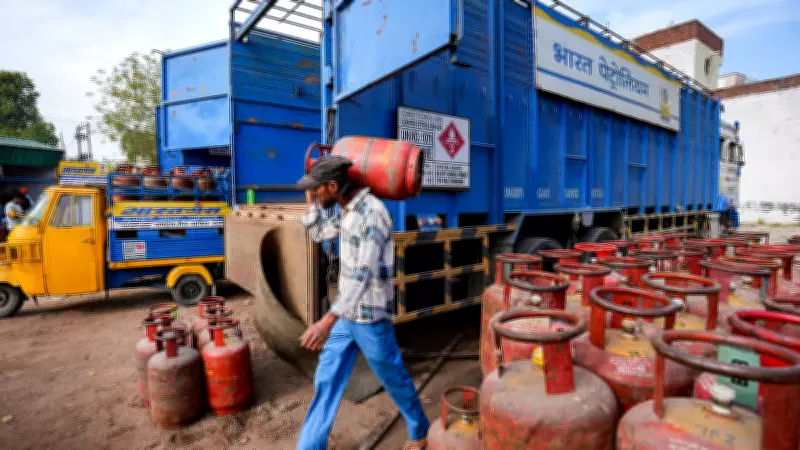
India Diverts Stranded Ships to Address LPG Shortage Triggered by West Asia Conflict
In a strategic move to mitigate a looming liquefied petroleum gas (LPG) shortage, the Indian government has initiated the redirection of stranded ships from international waters. This critical action comes in direct response to supply chain disruptions stemming from the ongoing conflict in West Asia, which has severely impacted the flow of essential energy resources through key maritime routes.
Immediate Arrivals and Expected Deliveries
According to recent reports, two vessels, the Shivalik and the Nanda, have already successfully reached Indian ports, delivering much-needed LPG supplies to bolster domestic reserves. These arrivals mark the first phase of a broader logistical effort to stabilize the market and ensure continued availability for consumers and industries alike.
Furthermore, additional relief is on the horizon with two more ships, the Pine Gas and the Jag Vasant, anticipated to arrive between March 26 and March 27. This coordinated effort underscores India's proactive approach to navigating global energy crises and securing its energy independence amid volatile international conditions.

Root Causes and Regional Impact
The LPG shortage has been primarily triggered by the escalating conflict in West Asia, a region pivotal to global energy exports. The turmoil has disrupted shipping lanes, including the strategically vital Strait of Hormuz, leading to delays and stranded vessels that have exacerbated supply constraints. This situation highlights the interconnectedness of global energy markets and the vulnerabilities faced by importing nations like India.
India, as one of the world's largest consumers of LPG, relies heavily on imports from Gulf countries. The current crisis has prompted urgent measures to diversify supply sources and enhance logistical capabilities, ensuring that households and businesses do not face prolonged shortages.
Government Response and Future Outlook
The Indian authorities have been closely monitoring the situation, implementing contingency plans to redirect available ships and optimize port operations. This swift response aims to cushion the impact on consumers, particularly as LPG is a crucial fuel for cooking and industrial processes across the nation.
Looking ahead, experts suggest that such incidents may accelerate India's push towards renewable energy alternatives and strategic petroleum reserves. However, for the immediate term, the focus remains on leveraging stranded assets to bridge the supply gap and maintain economic stability.
As the West Asia conflict continues to unfold, India's ability to adapt and secure its energy needs will be critical in safeguarding its economic growth and energy security in the coming months.






