India Denies Elon Musk's Presence on Modi-Trump Call Amid West Asia Crisis
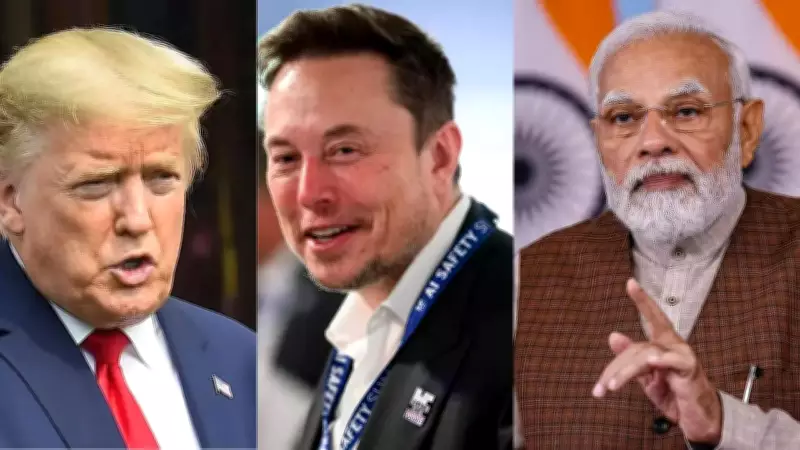
The Indian government has firmly denied reports that billionaire entrepreneur Elon Musk participated in a phone call between Prime Minister Narendra Modi and former US President Donald Trump last week. The Ministry of External Affairs (MEA) stated on Saturday that the conversation was strictly between the two leaders, addressing the escalating situation in West Asia.
Government Clarification and White House Response
MEA spokesperson Randhir Jaiswal responded to a New York Times report published late Friday, which claimed Musk was present on the call. "We have seen the story. The telephone conversation on March 24 was between PM Narendra Modi and President Donald Trump only," Jaiswal said. He emphasized that the discussion provided an opportunity for an exchange of views on the West Asia crisis, as previously stated.
While India categorically denied any third-party involvement, the White House adopted a more ambiguous stance. White House press secretary Karoline Leavitt, in a statement to a news agency, did not confirm or deny Musk's participation. "President Trump has a great relationship with PM Modi, and this was a productive conversation," she said, without addressing the specifics of the report.

Details of the Controversial Report
The New York Times article, citing two anonymous US officials, described Musk's alleged presence as an unusual occurrence for a private citizen during a call between heads of state amid a wartime crisis. The report highlighted that it was unclear why Musk was included or if he spoke during the conversation.
The article speculated on potential reasons for Musk's involvement, noting:
- His companies have received significant investments from sovereign wealth funds in Middle Eastern countries like Saudi Arabia and Qatar.
- Musk has long expressed interest in expanding his commercial footprint in India, which could relate to broader geopolitical discussions.
Context and Content of the Modi-Trump Conversation
This phone call marked the first direct communication between Modi and Trump since early February. It occurred against the backdrop of reported efforts by Pakistan to facilitate talks between the US and Iran to de-escalate the ongoing military conflict in the region.
According to an Indian government readout, the leaders discussed the West Asia situation, with a focus on securing the Strait of Hormuz. Prime Minister Modi underscored that safe passage of ships through the strait is vital for global peace, stability, and economic well-being. US Ambassador Sergio Gor had earlier indicated that President Trump wanted to keep Modi informed about developments related to the conflict, highlighting the strategic importance of India in regional diplomacy.
Broader Implications and Analysis
The denial from India and the non-committal response from the White House raise questions about transparency and the role of private individuals in high-stakes international diplomacy. The incident underscores the complex interplay between global business interests and state-level negotiations during crises.
As tensions in West Asia continue to simmer, such diplomatic exchanges are crucial for coordinating responses and ensuring stability. The Modi-Trump call, whether exclusive or not, reflects the ongoing efforts to navigate the volatile geopolitical landscape, with India positioning itself as a key player in discussions affecting global security and economic interests.