

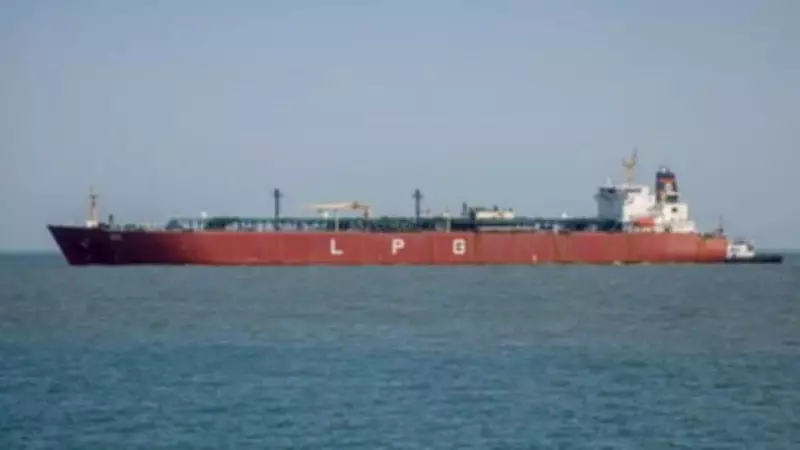
India Advocates for Unhindered Navigation Rights in the Persian Gulf
In a significant diplomatic statement, India has underscored the critical importance of respecting the navigational rights and freedoms of merchant and commercial vessels operating in international waters. This call comes amid ongoing regional tensions that have heightened concerns over maritime security and trade routes.
Current Indian Maritime Presence in the Region
As of the latest reports, there are currently 24 Indian flag vessels actively operating within the strategic Persian Gulf region. This fleet plays a vital role in global trade, transporting goods and commodities through one of the world's most crucial maritime corridors.
Of these vessels, a substantial majority—22 ships—are positioned west of the Strait of Hormuz, a narrow chokepoint that serves as a gateway for approximately one-fifth of the world's oil supply. The safe passage of vessels through this strait is essential for maintaining global energy security and economic stability.

Human Element: Indian Seafarers at Sea
Onboard these 22 vessels west of the Strait of Hormuz are 611 Indian seafarers, whose safety and well-being are of paramount concern to the Indian government. These skilled professionals are responsible for navigating complex routes and ensuring the smooth operation of commercial maritime activities.
India's statement serves as both a diplomatic position and a practical measure to safeguard its citizens working in international waters. The country has consistently emphasized that the rights of merchant vessels must be protected under international maritime law, regardless of geopolitical developments.
Broader Implications for Global Trade
The Persian Gulf region remains a critical artery for global commerce, with millions of barrels of oil and countless other goods passing through its waters daily. Any disruption to navigational freedoms in this area could have far-reaching consequences for international trade patterns and economic stability worldwide.
India's position reflects its growing role as a major maritime nation with significant stakes in maintaining open sea lanes. The country's merchant fleet contributes substantially to both regional and global supply chains, making the protection of these vessels a matter of national economic interest.
As tensions persist in the region, India's call for respecting navigational rights takes on added significance. The statement serves as a reminder to all stakeholders that the principles of freedom of navigation must be upheld to ensure the uninterrupted flow of commerce and the safety of seafarers from all nations.






