

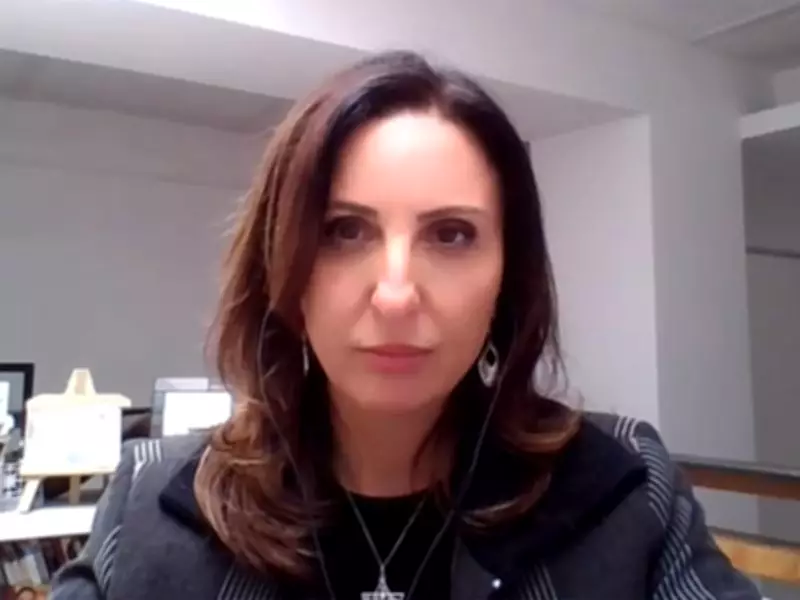
India Can Be a Better Mediator Than Pakistan, Says Israeli Special Envoy
In a significant diplomatic statement, Israeli Special Envoy Fleur Hassan-Nahoum has highlighted India's potential as a superior mediator compared to Pakistan. This assertion underscores India's growing role in international diplomacy and its ability to navigate complex global conflicts with a balanced approach.
India's Neutral Stance and Global Influence
Fleur Hassan-Nahoum emphasized that India's neutral position on various international issues makes it a more effective mediator than Pakistan. She pointed to India's strong diplomatic ties with multiple nations and its reputation as a responsible global player. This neutrality allows India to engage with conflicting parties without being perceived as biased, a crucial factor in successful mediation efforts.
India's economic and political clout further enhances its mediation capabilities. As one of the world's largest economies and a key member of international forums like the G20 and BRICS, India wields significant influence that can be leveraged to facilitate dialogue and resolution in disputes. This contrasts with Pakistan, which often faces challenges due to its perceived alignment in certain conflicts.

Historical Context and Diplomatic Experience
India has a long history of participating in peacekeeping missions and diplomatic negotiations under the United Nations framework. Its experience in handling regional tensions, such as those in South Asia, provides a solid foundation for mediation roles. Fleur Hassan-Nahoum noted that India's diplomatic corps is well-trained and adept at managing sensitive international matters.
Moreover, India's cultural and historical connections with various regions, including the Middle East, enable it to understand diverse perspectives. This cultural empathy, combined with a commitment to peaceful resolution, positions India as a credible and effective mediator on the global stage.
Implications for International Relations
This endorsement from an Israeli official could bolster India's aspirations to play a larger role in global conflict resolution. It may encourage other nations to view India as a preferred mediator in disputes where neutrality is paramount. The statement also reflects the strengthening India-Israel relationship, which has grown in areas like defense, technology, and now, potentially, diplomacy.
However, this comparison with Pakistan might stir diplomatic sensitivities, given the historical tensions between India and Pakistan. It underscores the competitive dynamics in South Asian diplomacy and how global perceptions are shifting in favor of India's diplomatic prowess.
Future Prospects for India's Mediation Role
Looking ahead, India could leverage this recognition to actively seek mediation opportunities in conflicts such as those in the Middle East or other regions. By positioning itself as a neutral and capable mediator, India can enhance its soft power and contribute to global stability. Fleur Hassan-Nahoum's remarks serve as a catalyst for India to further develop its diplomatic strategies and engage more deeply in international peace processes.
In conclusion, the Israeli Special Envoy's statement highlights India's emerging role as a key player in global mediation, surpassing Pakistan in effectiveness due to its neutral stance and robust international ties. This development marks a significant moment in India's diplomatic journey and its potential to shape peaceful resolutions worldwide.






