

India Greenlights Historic Rs 3.25 Lakh Crore Rafale Fighter Jet Acquisition
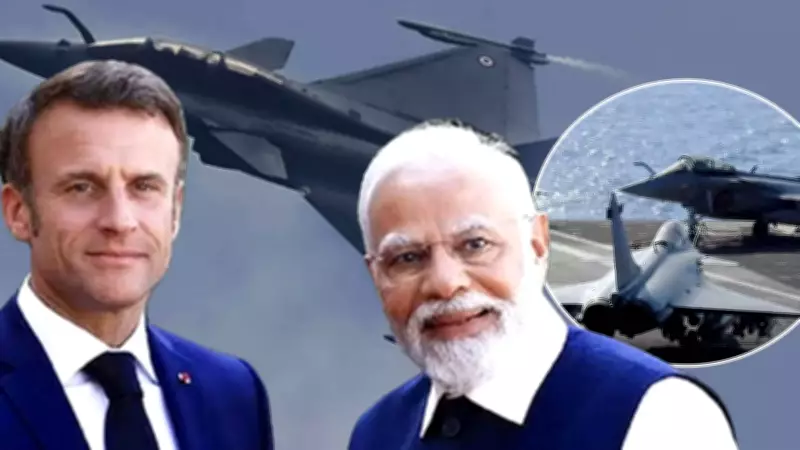
In a monumental move to bolster its aerial capabilities, the Indian government has officially approved the procurement of 114 additional Rafale fighter jets. This colossal defence agreement, valued at an estimated Rs 3.25 lakh crore, stands as one of the nation's most significant military acquisitions in recent history. The decision underscores India's unwavering commitment to fortifying its air dominance and addressing critical security imperatives.
Defence Acquisition Council Clears Acceptance of Necessity
The pivotal approval was granted by the Defence Acquisition Council, which is chaired by Defence Minister Rajnath Singh. This crucial step, known as the Acceptance of Necessity, formally authorizes the initiation of detailed negotiations with the French aerospace manufacturer, Dassault Aviation. The council's endorsement sets the procedural groundwork for finalizing the comprehensive contract, marking a strategic advancement in India's defence modernization agenda.
Strategic Imperatives Driving the Squadron Expansion
The Indian Air Force has been actively advocating for this substantial squadron expansion to counter a widening shortfall in its fighter jet fleet. This urgency is amplified by escalating security challenges along India's western and northern borders, where robust air power is deemed essential for national defence. The Rafale's proven performance, particularly highlighted during Operation Sindoor, demonstrated its exceptional value in executing high-precision missions, thereby reinforcing its selection as the platform of choice for this enhancement.

Make in India Initiative and Industrial Collaboration
A cornerstone of this landmark deal is the emphasis on domestic manufacturing and industrial collaboration. The majority of these advanced fighter jets will be produced within India, in partnership with the nation's burgeoning private industry sector. This approach not only advances the Make in India initiative but also fosters technological transfer, skill development, and economic growth, contributing to India's journey towards greater strategic autonomy and self-reliance in defence production.
Geopolitical Context and Strategic Messaging
The timing of this approval is particularly noteworthy, occurring just ahead of an anticipated visit by French President Emmanuel Macron. This move sends a clear and powerful message regarding India's strategic priorities: a substantial investment in cutting-edge air power, the strengthening of indigenous industrial capabilities, and the assertion of strategic autonomy on the global stage. It represents a bold, multifaceted strategy to secure national interests while fostering key international partnerships.






