

Indian Coast Guard Cracks Down on Global Oil Smuggling Network
The Indian Coast Guard (ICG) has achieved a significant breakthrough in maritime security by dismantling a sophisticated global syndicate engaged in the illicit trafficking of crude oil. Announced on Saturday, this landmark operation targeted a criminal network operating through a complex web of handlers spread across multiple international jurisdictions.
Coordinated Sea-Air Operation Targets Illicit Oil Trade
The meticulously planned sea-air coordinated operation, which concluded on Friday, February 6, focused on a racket responsible for transporting substantial quantities of petroleum and oil-derived cargo from conflict-ridden regions. According to official statements from the Indian Coast Guard, this illicit cargo was systematically transferred mid-ocean to motorized tankers in international waters for commercial profit.
The smugglers orchestrated commercial exchanges and transshipment of goods between various maritime vessels, creating a shadow supply chain that operated outside legal frameworks. This elaborate scheme was designed to maximize profits while evading detection by maritime authorities.

Three Vessels Intercepted Near Mumbai
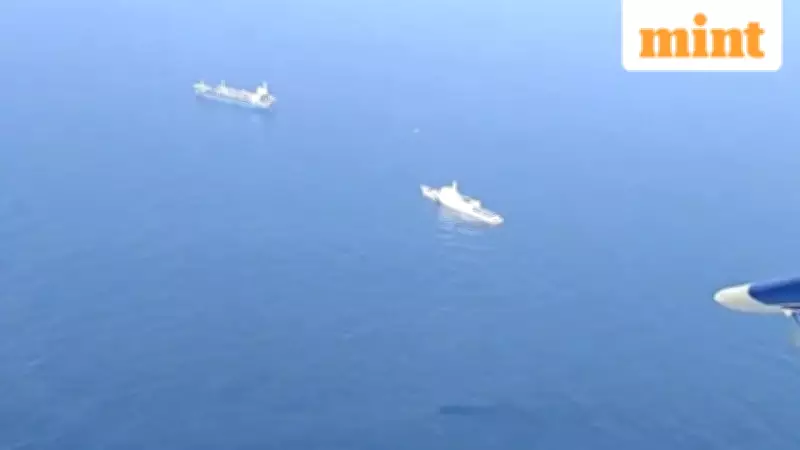
In a decisive move on February 5, ICG ships intercepted and boarded three specific vessels approximately 100 nautical miles west of Mumbai. Through sustained rummaging operations, corroboration of electronic data found onboard the suspect ships, verification of documents, and intensive interrogation of crew members, the ICG's specialist boarding team successfully established the complete chain of incidents and the criminals' modus operandi.
The Coast Guard's statement detailed how exhaustive searches, document verification, synchronization of digital records recovered from the vessels, and thorough questioning of sailors enabled ICG tactical boarding units to reconstruct the entire sequence of events and the sophisticated criminal methodology employed by the syndicate.
High-Tech Monitoring Uncovers Suspicious Activity
The breakthrough began when the Coast Guard's advanced monitoring infrastructure detected a motor tanker performing questionable maneuvers within the Indian Exclusive Economic Zone. This discovery triggered a comprehensive digital forensic investigation that would ultimately unravel the entire smuggling operation.
Subsequent analysis of traffic patterns involving vessels approaching the suspicious tanker identified two additional ships participating in unauthorized mid-sea offloading of oil cargo. This tactic was specifically employed to bypass heavy customs duties required by maritime nations, including India, allowing the syndicate to operate with significantly higher profit margins.
The ICG statement explained: "The ICG undertook data pattern analysis of other vessels closing in on the vessel, and identified two other vessels as possible suspects, involved in illicit transfer of oil-based cargo at sea, evading significant duties owed to the coastal states, including India."
Specialized Units Confirm Evidence and Seize Ships
On February 5, specialized ICG units boarded the identified vessels and confirmed the electronic evidence, resulting in their immediate seizure. Initial investigations revealed that the ships regularly altered their names and markings to bypass the maritime authorities of various countries, demonstrating the syndicate's sophisticated evasion techniques.
The registered owners of these vessels are purportedly located overseas, highlighting the international dimension of this criminal enterprise. The ships are expected to be towed to Mumbai for continued interrogation before being transferred to Indian Customs and relevant police departments for formal judicial processing.
Reinforcing India's Maritime Security Leadership
The Indian Coast Guard emphasized that this mission, which began with electronic tracking and was executed through its expanding naval reach, reinforces India's status as a primary contributor to maritime security and a protector of international regulatory standards. This operation demonstrates India's growing capability to combat transnational maritime crime and protect global trade routes from illicit activities.

This successful intervention against a global oil smuggling syndicate represents a major victory for international maritime security cooperation and demonstrates the effectiveness of India's coastal surveillance and enforcement capabilities in safeguarding both national interests and global maritime commerce.





