IAEA Director General Finds No Proof of Iranian Nuclear Bomb Development
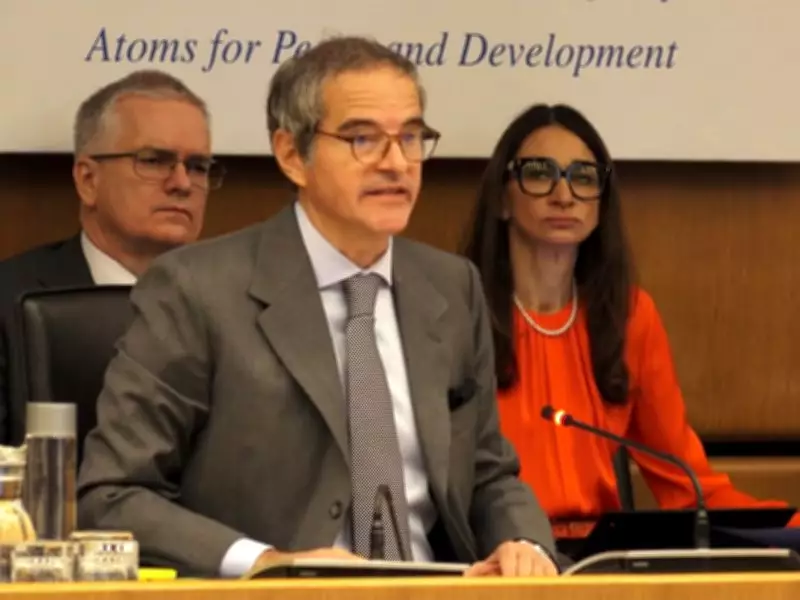
The Director General of the International Atomic Energy Agency (IAEA), Rafael Grossi, has publicly stated that the agency currently possesses no evidence indicating Iran is actively constructing a nuclear bomb. This declaration comes amid ongoing international scrutiny and diplomatic tensions surrounding Iran's nuclear activities.
Grossi Highlights Critical Shortcomings in Iranian Cooperation
However, Grossi simultaneously issued a stark warning, flagging a severe lack of cooperation from Iranian authorities. He emphasized that Tehran's transparency and willingness to engage with IAEA inspectors have been insufficient, creating significant obstacles for the agency's monitoring and verification efforts.
This lack of cooperation raises serious concerns about the completeness and accuracy of the IAEA's assessments. Without full access and timely information, the agency's ability to provide definitive assurances about the peaceful nature of Iran's nuclear program is compromised.

The Context of Ongoing Nuclear Diplomacy and Inspections
The IAEA plays a pivotal role in overseeing Iran's compliance with international nuclear agreements, including the now-stalled Joint Comprehensive Plan of Action (JCPOA). The agency's inspections are designed to verify that nuclear materials are not being diverted for military purposes.
Grossi's dual-message statement underscores the complex and fragile state of nuclear diplomacy with Iran. While the absence of evidence for a bomb is a positive note, the reported non-cooperation suggests underlying tensions that could hinder future negotiations and stability in the region.
Key issues cited by the IAEA include:
- Delays in providing necessary access to nuclear sites.
- Incomplete disclosures regarding past nuclear activities.
- Challenges in installing monitoring equipment as required.
International Reactions and Implications for Global Security
This development is likely to influence discussions among world powers, including the United States and European nations, as they navigate relations with Iran. The IAEA's findings are a critical data point for policymakers assessing the risks associated with Iran's nuclear ambitions.
The situation highlights the ongoing need for robust international oversight and diplomatic engagement to ensure nuclear non-proliferation. The IAEA continues to call for Iran's full cooperation to resolve outstanding questions and build confidence in the exclusively peaceful nature of its nuclear program.