

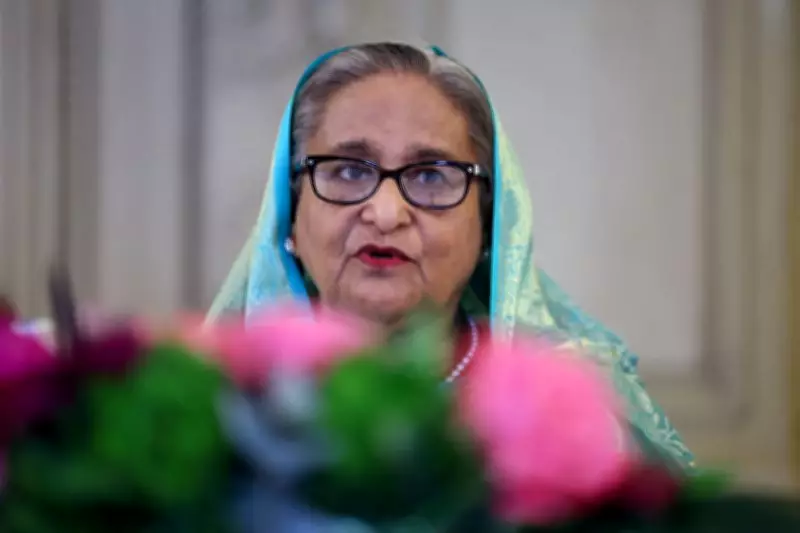
Bangladesh's Ousted Leader Hasina Denounces Upcoming Election from Her Exile in India
In a significant political development, former Bangladesh Prime Minister Sheikh Hasina has issued a strong condemnation of the upcoming national election in her home country, all while residing in exile in India. Hasina, who was ousted from power in a controversial move, has labeled the election process as undemocratic and illegitimate, raising concerns about the future of democracy in Bangladesh.
Hasina's Exile and Political Stance
Sheikh Hasina, the leader of the Awami League, has been living in India since her removal from office, citing political persecution and safety concerns. From her base in exile, she has continued to engage in political discourse, using various platforms to voice her opposition to the current government's actions. Her recent statements highlight a deep-seated frustration with the electoral framework being established for the upcoming vote.
"The election is being orchestrated to suppress the will of the people," Hasina asserted in a recent communication. She emphasized that the process lacks transparency and fairness, which she believes could lead to a further erosion of democratic norms in Bangladesh.

Implications for Bangladesh's Political Landscape
The upcoming election in Bangladesh is poised to be a critical moment for the nation's political stability. Hasina's denunciation from abroad adds an international dimension to the domestic turmoil. Experts suggest that her exile in India, a key regional neighbor, could influence diplomatic relations and regional dynamics.
- Hasina's criticism may galvanize opposition groups within Bangladesh, potentially leading to increased protests and unrest.
- The election's legitimacy is now under scrutiny, with international observers likely to pay closer attention to the proceedings.
- India's role as a host for Hasina could complicate its bilateral ties with Bangladesh, depending on how the situation unfolds.
Regional and Global Reactions
Hasina's statements have sparked reactions from various quarters. Supporters of her party have echoed her concerns, calling for international intervention to ensure a free and fair election. Conversely, the current government has dismissed her remarks as politically motivated rhetoric from an exiled leader with no ground presence.
From a broader perspective, this situation underscores the challenges faced by democratic institutions in South Asia. It raises questions about the role of exile in political activism and the impact of external influences on domestic elections.
As the election date approaches, all eyes will be on Bangladesh to see how this political drama unfolds and what it means for the country's future governance and international standing.






