

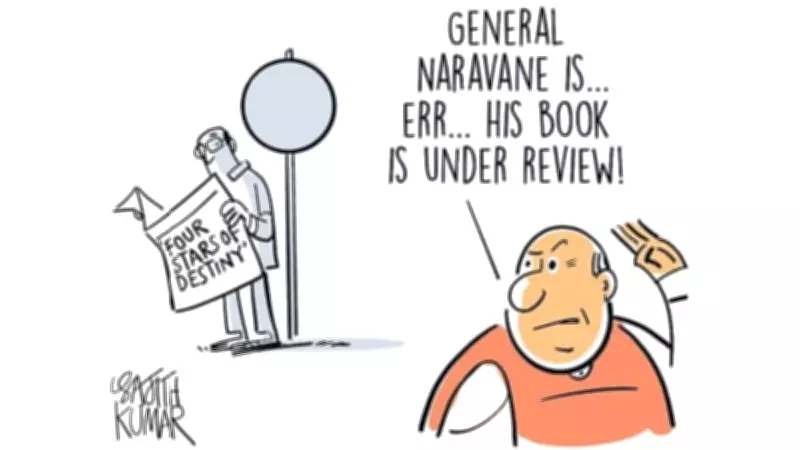
General Naravane's Memoir Under Official Review
The memoir of former Indian Army Chief General MM Naravane is currently undergoing an official review process by the government. This development has brought attention to the procedures involved in publishing military-related content in India, particularly works authored by high-ranking officials.
Understanding the Review Process
When military personnel, especially those who have held top positions, decide to publish memoirs or other written works, these materials are typically subject to a thorough review. The primary objective is to ensure that no sensitive information is disclosed that could compromise national security or operational protocols.
General Naravane, who served as the Chief of Army Staff from 2019 to 2022, has penned his experiences and insights in a memoir that is now under scrutiny. This review is a standard practice aimed at balancing the right to share personal and professional narratives with the imperative to safeguard state interests.

Implications for Military Publications
The review of General Naravane's memoir underscores the broader context of military publications in India. Such works often provide valuable historical perspectives and leadership lessons, but they must navigate a complex landscape of security considerations.
Key aspects of the review process include:
- Security Checks: Ensuring that no classified information is inadvertently revealed.
- Protocol Adherence: Verifying that the content aligns with military ethics and protocols.
- Historical Accuracy: Confirming factual correctness without compromising sensitive details.
This process is not unique to India; many countries have similar mechanisms to review publications by former defense personnel. It reflects a global emphasis on protecting national security while allowing for the documentation of military history.
Broader Significance
The review of General Naravane's memoir highlights the delicate balance between transparency and confidentiality in military affairs. It serves as a reminder of the responsibilities that come with sharing insights from high-level positions within the armed forces.
As the review progresses, it will be interesting to observe how it influences future publications by military officials. This case may set precedents for how such works are handled, ensuring that they contribute to public understanding without endangering security.
In conclusion, the official review of General Naravane's memoir is a standard yet significant step in the publication of military-related content. It underscores the importance of safeguarding national interests while allowing for the sharing of valuable experiences from India's defense leadership.






