Former Envoy Calls Modi-Pezeshkian Conversation Crucial for Post-War Recovery
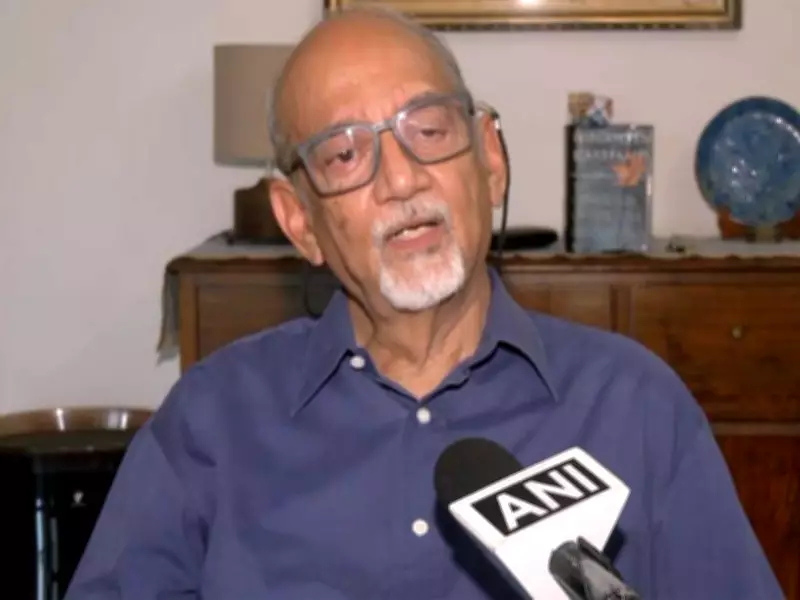
Former Indian ambassador to Iran, Dinkar P Srivastava, described the recent telephone conversation between Prime Minister Narendra Modi and Iranian President Masoud Pezeshkian as "very timely and very positive," coming at a critical moment as Iran seeks to rebuild after conflict and restore economic ties with India. Speaking to ANI on Wednesday, Srivastava emphasized that the peace process remains fragile and that Iran urgently needs to recover its market in India to finance reconstruction.
He noted that India depends on energy security from the region, historically purchasing Iranian oil, and should resume such purchases. India also has a strategic interest in ensuring freedom of navigation through the Strait of Hormuz, given its relations with Arab Gulf states.
Resuming Old Economic Links: Oil, Urea, and LPG
Srivastava highlighted the importance of reviving traditional trade links. "India can buy Iranian crude oil. Apart from that, we used to buy a lot of urea and LPG, and these are things which we need. This will generate revenue for Iran," he said. He added that Iran is also looking for political support from India, especially as India holds the BRICS chair. The conversation thus addresses both countries' mutual interests in trade and regional stability.

Prime Minister Modi's office released a statement confirming that President Pezeshkian briefed Modi on recent developments in West Asia and the way forward. Modi welcomed the understanding reached and reiterated India's consistent position that all issues must be resolved through dialogue and diplomacy.
Focus on Freedom of Navigation in the Hormuz Strait
The Prime Minister also stressed the importance of ensuring freedom of navigation and commerce in the Strait of Hormuz, a vital chokepoint for global oil shipments. India has consistently advocated for unimpeded maritime traffic in the region, balancing its ties with both Iran and Gulf Arab nations.
Srivastava concluded that the conversation was not only timely but also constructive, setting the stage for deeper bilateral cooperation as Iran emerges from war and India continues its role as a major regional power.