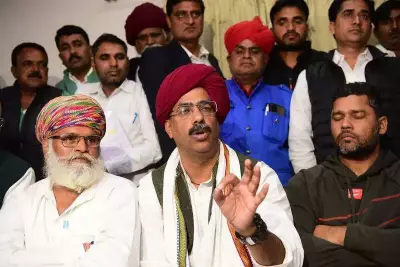
Former Awami League MP Issues Stark Warning on Bangladesh Elections
In a significant development that has sent ripples through Bangladesh's political landscape, former Awami League Member of Parliament Bahauddin Nasim has voiced grave concerns about the nation's upcoming electoral process. Nasim, a seasoned political figure with deep insights into the country's governance, has publicly stated that the forthcoming elections pose a serious threat to the overall stability of Bangladesh.
Political Tensions and Governance Challenges
Nasim's warning highlights the intricate and often volatile nature of Bangladesh's political environment. As a former MP from the ruling Awami League, his remarks carry substantial weight and reflect internal apprehensions within the political establishment. The elections, which are a cornerstone of democratic practice, are now being viewed through a lens of potential disruption rather than renewal.
The core of Nasim's argument centers on how the electoral dynamics could exacerbate existing political divisions. Bangladesh has a history of contentious elections, marked by boycotts, protests, and allegations of irregularities. Nasim suggests that without careful management and inclusive participation, the upcoming polls might not only fail to resolve conflicts but could instead deepen them, leading to widespread unrest.
Implications for National and Regional Stability
The stability of Bangladesh is crucial not only for its 170 million citizens but also for the broader South Asian region. As a key player in regional economics and diplomacy, any instability in Bangladesh could have far-reaching consequences. Nasim's warning underscores the need for transparent and fair electoral processes to maintain peace and order.
Experts point out that political instability in Bangladesh often translates into economic slowdowns, social unrest, and challenges in governance. This could hinder development projects, foreign investments, and international relations, affecting the nation's progress on multiple fronts.
Call for Dialogue and Reform
In light of these concerns, Nasim's statement serves as a call to action for political stakeholders. It emphasizes the importance of dialogue, consensus-building, and electoral reforms to ensure that the elections strengthen rather than undermine democracy. Potential measures include:
- Enhancing electoral transparency through independent monitoring.
- Encouraging opposition participation to foster inclusivity.
- Addressing grievances related to voter suppression or manipulation.
By heeding such warnings, Bangladesh can work towards elections that uphold stability and reflect the will of its people, avoiding the pitfalls that have marred previous electoral cycles.