EU's Greenland Stance Emerges After Trump Tariff Retreat
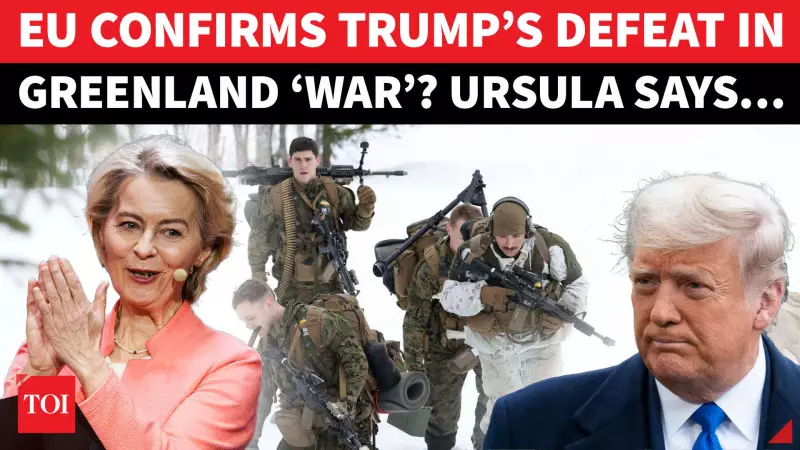
The European Union has eased immediate diplomatic tensions following US President Donald Trump's retreat from tariff threats over Greenland, while simultaneously signaling its readiness to assert its strategic interests in the region. EU President Ursula von der Leyen emphasized the bloc's firm approach in dealings with the United States, confirming that the EU was fully prepared with trade counter-measures had the tariffs been imposed.
High-Stakes Diplomacy and Sovereignty Defense
The EU described the 24-hour period leading up to Trump's retreat as a tense episode of high-stakes diplomacy. This situation underscored the bloc's unwavering commitment to defending its sovereignty and strategic priorities in the Arctic region. The European Union's response highlights its proactive stance in international affairs, particularly in matters involving territorial and economic interests.
Readiness for Trade Counter-Measures
In her statements, Ursula von der Leyen detailed that the EU had comprehensive trade counter-measures ready to deploy if the US had proceeded with the tariff threat. This preparedness reflects the bloc's robust trade policy framework and its determination to protect member states' economies from external pressures. The EU's strategic planning in this scenario demonstrates its capacity to handle complex international trade disputes effectively.

Implications for EU-US Relations
The resolution of this tariff threat over Greenland marks a significant moment in EU-US relations, showcasing the European Union's ability to navigate diplomatic challenges while maintaining a firm stance on its interests. This incident may influence future interactions between the two powers, as the EU asserts its role as a key player in global geopolitics and trade negotiations.
Broader Context of Arctic Interests
Greenland's strategic importance in the Arctic has been a focal point in recent international discussions, with its resources and geopolitical position attracting attention from major powers. The EU's firm approach in this matter aligns with its broader objectives to secure energy resources and maintain influence in polar regions, amid increasing global competition.