Estonia Rejects Ukrainian Warning of Russian Attack on Baltic States
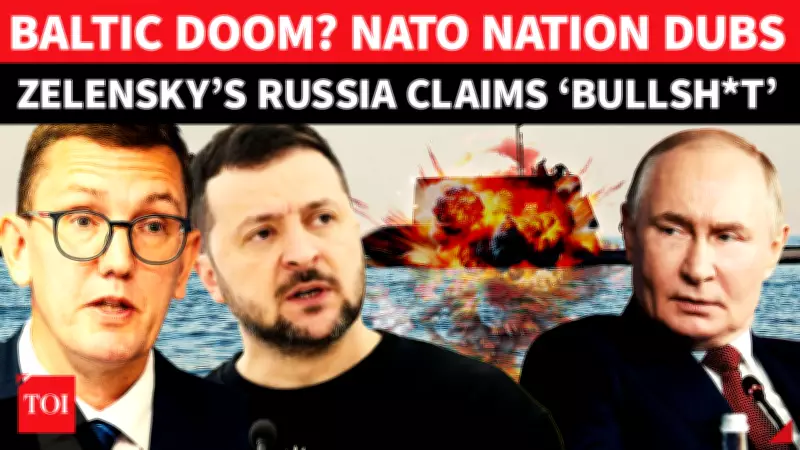
In a significant diplomatic development, Estonia has officially dismissed warnings from Ukrainian President Volodymyr Zelensky regarding a potential Russian military attack on NATO's Baltic states. The Estonian intelligence community has stated there is currently no evidence to support claims of any imminent Russian military buildup or offensive action targeting the Baltic region.
Contradictory Assessments Create NATO Tensions
The conflicting assessments between Ukraine and Estonia have exposed growing uncertainty within the NATO alliance as Europe continues to ramp up defense spending in response to the ongoing war in Ukraine. While President Zelensky raised alarms about possible escalation and Russian aggression extending beyond Ukraine's borders, Estonian officials have maintained a more measured position based on their intelligence gathering.
Russia has categorically dismissed all claims of planned attacks on Baltic states, instead accusing NATO of deliberately escalating regional tensions through increased military presence and rhetoric. This clash of narratives occurs against a backdrop of surging military budgets across European nations, with many countries significantly increasing defense allocations in response to security concerns.

Geopolitical Implications and Security Concerns
The disagreement raises fundamental questions about threat assessment accuracy in an increasingly volatile geopolitical environment. As NATO members coordinate their response to Russian aggression in Ukraine, divergent intelligence interpretations could potentially complicate alliance decision-making and strategic planning.
The Estonian position reflects a careful balancing act between acknowledging legitimate security concerns while avoiding unnecessary escalation based on unverified threats. This approach contrasts with Ukraine's more urgent warnings, which stem from direct experience with Russian military operations.
Key aspects of this developing situation include:
- Estonia's intelligence assessment finding no evidence of imminent Russian attack preparations
- Ukraine's continued warnings about potential Russian expansion beyond current conflict zones
- Growing defense spending across European NATO members amid security concerns
- Russia's denial of aggressive intentions toward Baltic states
- Potential implications for NATO unity and coordinated response strategies
The situation underscores the complex intelligence challenges facing NATO members as they navigate security threats in Eastern Europe. With military budgets increasing and geopolitical tensions remaining high, the accuracy of threat assessments becomes increasingly critical for appropriate defense planning and diplomatic engagement.