DGCA Issues Advisory for Airlines to Avoid 11 West Asian Airspaces Amid Iran Conflict
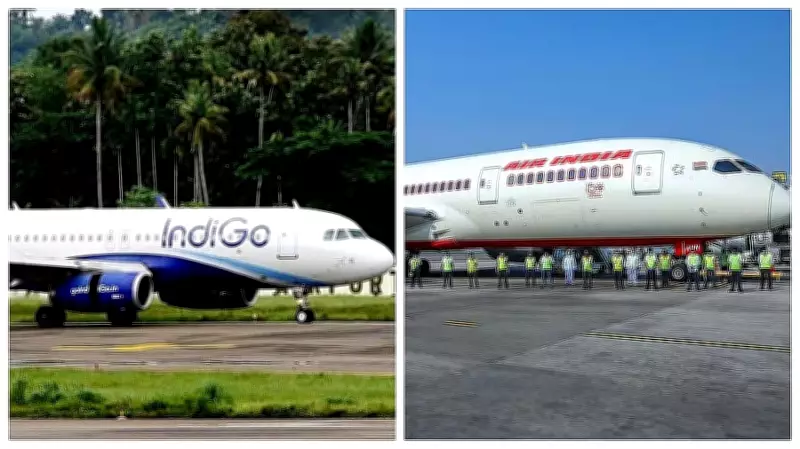
The Directorate General of Civil Aviation (DGCA) has issued a critical advisory to all Indian airlines, urging them to avoid 11 specific airspaces in West Asia. This move comes in response to escalating tensions and potential spill-over risks from the ongoing conflict involving Iran, highlighting concerns for aviation safety in the region.
Safety Measures and Regional Risks
In light of the volatile situation, the DGCA's advisory aims to mitigate risks associated with air travel over conflict zones. The agency has identified these 11 airspaces as high-risk areas due to the possibility of military activities, missile launches, or other security threats that could endanger civilian aircraft. This proactive step underscores the DGCA's commitment to ensuring the safety of passengers and crew on Indian flights operating in or near West Asia.
The advisory is based on intelligence reports and assessments of regional stability, which indicate that the Iran conflict could have broader implications for neighboring airspaces. By avoiding these zones, airlines can reduce the likelihood of incidents such as airspace violations or accidental engagements, which have occurred in past conflicts in the region.

Impact on Indian Aviation and Passenger Safety
Indian airlines are expected to comply with this advisory by rerouting flights that typically traverse these airspaces. While this may lead to longer flight times and increased operational costs, the primary focus remains on safeguarding human lives. The DGCA has emphasized that passenger safety is non-negotiable, and airlines must prioritize this over convenience or efficiency.
This advisory aligns with global aviation safety protocols, where regulatory bodies often issue similar warnings during geopolitical crises. It reflects a cautious approach to managing risks in an unstable environment, ensuring that Indian aviation adheres to international standards for security and preparedness.
Broader Context and Future Implications
The conflict in Iran has raised alarms across the international community, with many countries reviewing their aviation policies in West Asia. The DGCA's action is part of a larger trend of heightened vigilance, as other aviation authorities may follow suit to protect their fleets. This situation underscores the interconnectedness of global security and aviation, where regional conflicts can have far-reaching effects on air travel.
Looking ahead, the DGCA will continue to monitor the situation closely and update its advisories as needed. Airlines are advised to stay informed through official channels and adjust their operations accordingly to maintain the highest levels of safety. This incident serves as a reminder of the importance of robust risk management in the aviation industry, especially in times of geopolitical uncertainty.