

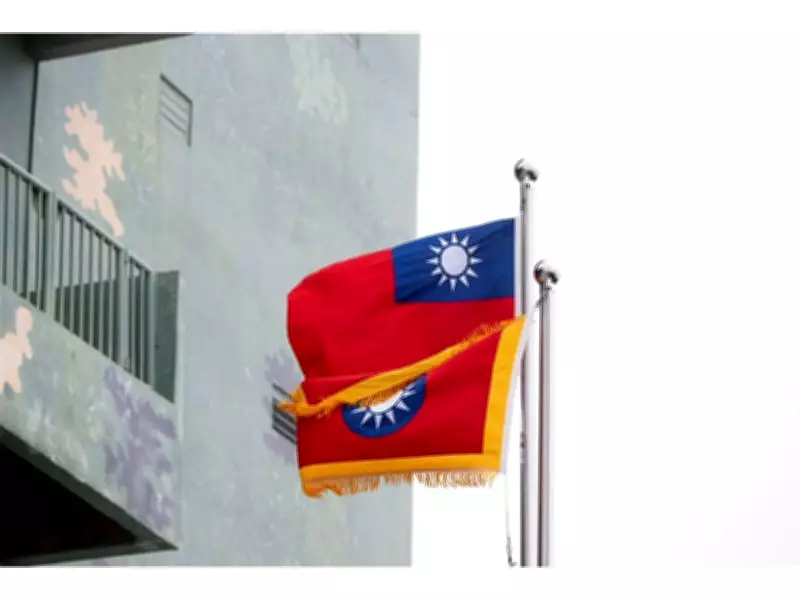
China Imposes Sanctions on Japanese Lawmaker Over Taiwan Visits
In a significant diplomatic escalation, China has officially sanctioned Japanese lawmaker Keiji Furuya in response to his repeated visits to Taiwan. The move underscores Beijing's firm stance against any perceived support for Taiwanese independence, which it views as a core national interest. The Chinese government announced the sanctions without specifying the exact measures, but such actions typically involve travel bans and asset freezes targeting individuals involved in activities deemed to undermine China's sovereignty.
Taiwan's Ministry of Foreign Affairs Responds
Taiwan's Ministry of Foreign Affairs (MOFA) swiftly condemned China's decision, describing it as regrettable and unjustified. In a statement, MOFA emphasized that Taiwan is a sovereign nation with the right to engage in international exchanges, including hosting foreign dignitaries. The ministry argued that China's sanctions violate international norms and principles of free diplomacy, calling on the global community to oppose such coercive tactics.
Background on Keiji Furuya's Activities
Keiji Furuya, a prominent member of Japan's ruling Liberal Democratic Party, has made multiple trips to Taiwan in recent years, often meeting with Taiwanese officials to discuss bilateral cooperation. His visits are part of a broader trend of increased engagement between Japan and Taiwan, which China interprets as a challenge to its One-China policy. Furuya has been vocal in advocating for stronger Japan-Taiwan ties, citing shared democratic values and strategic interests in the region.

Regional and International Implications
This incident highlights the ongoing tensions in East Asia over Taiwan's status. China claims Taiwan as part of its territory and has consistently opposed any foreign interactions that suggest otherwise. The sanctions against Furuya may strain China-Japan relations, which have been delicate due to historical disputes and competing territorial claims. Experts warn that such actions could lead to further diplomatic friction, impacting regional stability and international trade routes.
In response, Japan's government has expressed concern but has not yet issued an official statement, reflecting the complex balance it maintains between its alliance with the United States and economic ties with China. The international community, including the United States and European Union, is closely monitoring the situation, as it could influence broader geopolitical dynamics in the Indo-Pacific region.
Conclusion
China's sanctions on Keiji Furuya over his Taiwan visits represent a clear message against foreign involvement in what it considers internal affairs. Taiwan's labeling of the move as regrettable underscores the deepening divide in cross-strait relations. As both sides stand firm, the incident serves as a reminder of the volatile nature of Taiwan-related issues and their potential to escalate into larger conflicts, urging diplomatic caution from all parties involved.






