

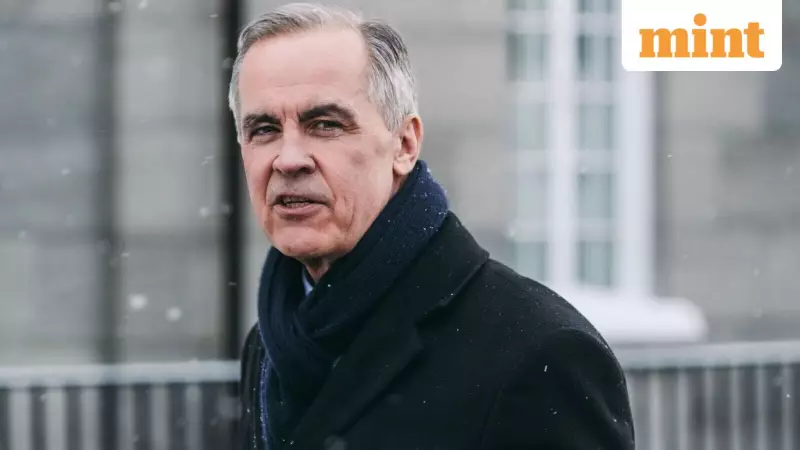
Canada PM Mark Carney Denies Retracting Davos Remarks After Trump Call
Canadian Prime Minister Mark Carney has confirmed that he engaged in a telephone conversation with former US President Donald Trump on Monday, January 26, 2026. This discussion followed Carney's recent speech at the World Economic Forum in Davos, Switzerland, which reportedly caused significant irritation within Trump's circles.
Controversial Davos Speech Sparks Diplomatic Tensions
The controversy originated from Prime Minister Carney's address at the prestigious Davos forum last week. During his speech, Carney made a bold declaration urging nations worldwide to acknowledge and accept what he described as "the end of a rules-based global order." This statement immediately drew attention and criticism from various international quarters, particularly from United States officials aligned with Trump's administration.
Conflicting Accounts Emerge Regarding Remarks
While Carney has firmly denied any retraction of his Davos statements, US Treasury Secretary Scott Bessent has presented a contradictory narrative. Bessent publicly commented that Carney appeared to be "very aggressively walking back" certain aspects of his remarks following the initial speech delivery. This conflicting interpretation has created a diplomatic puzzle regarding the actual substance of Carney's position on global governance structures.

Carney's Firm Stance Against Alleged Retraction
Despite the claims made by US Treasury Secretary Bessent, Prime Minister Carney has maintained a consistent position. The Canadian leader explicitly denied that he retracted or modified any elements of his Davos address during or after his conversation with Trump. This firm denial suggests Carney remains committed to the perspectives he shared regarding the evolving nature of international relations and global economic frameworks.
Broader Implications for International Relations
The disagreement between Canadian and American officials highlights several important dynamics in contemporary international diplomacy:
- The tension between established global governance structures and emerging nationalist perspectives
- The challenge of diplomatic communication in an era of instant media scrutiny
- The delicate balance between sovereign policy positions and international alliance management
- The role of economic forums like Davos in shaping global political discourse
Ongoing Developments in the Diplomatic Exchange
As this diplomatic exchange continues to unfold, several key questions remain unanswered. The precise content of the conversation between Carney and Trump has not been fully disclosed by either party. Additionally, the specific aspects of Carney's Davos remarks that Bessent claims were walked back remain undefined, creating ambiguity about the exact nature of the disagreement between Canadian and American officials.
This developing story represents a significant moment in Canada-US relations, particularly as it involves fundamental questions about the future of international cooperation and governance structures. The contrasting narratives from Ottawa and Washington suggest deeper philosophical differences regarding global order that may influence bilateral relations in the coming months.






