Bangladesh Ambassador Advocates for Amicable Resolution of Sensitive Bilateral Issues with India
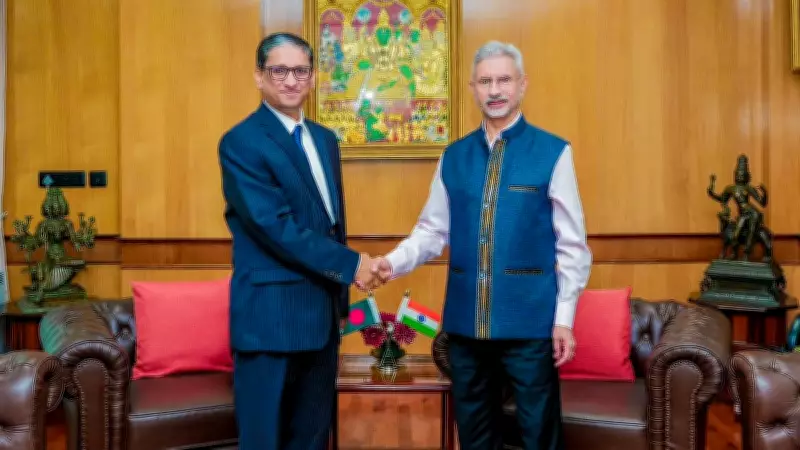
In a significant diplomatic statement, Bangladesh's envoy to India, Hamidullah, has emphasized the critical need for an amicable resolution of what he termed as "sensitive" issues between the two neighboring nations. This call for peaceful dialogue underscores ongoing efforts to strengthen the historically complex relationship between Dhaka and New Delhi.
Reaffirming Commitment to a Mutually Beneficial Partnership
Ambassador Hamidullah explicitly reaffirmed Bangladesh's unwavering commitment to fostering a "mutually beneficial" partnership with India. He highlighted that both countries share deep cultural, economic, and strategic ties, which necessitate a collaborative approach to addressing challenges. The envoy stressed that resolving contentious matters through diplomacy and mutual respect is essential for regional stability and prosperity.
Charting a Pathway Toward a Deeper Relationship
Beyond immediate issue resolution, Hamidullah articulated a forward-looking vision aimed at charting a pathway toward a deeper and more robust relationship. He pointed out that enhanced cooperation in areas such as trade, security, and infrastructure could unlock new opportunities for both nations. The ambassador's remarks signal a proactive stance from Bangladesh in seeking to elevate bilateral engagements to a higher level of strategic partnership.

Context and Implications
The envoy's statements come at a time when India and Bangladesh navigate various bilateral topics, including border management, water sharing, and trade imbalances. By advocating for amicable solutions, Hamidullah aims to preempt potential escalations and reinforce the foundation of trust between the two governments. This approach aligns with broader regional goals of peace and development in South Asia.
Observers note that such diplomatic overtures are crucial for maintaining the momentum in India-Bangladesh relations, which have seen significant progress in recent years through agreements on connectivity and security. The emphasis on sensitivity and mutual benefit reflects a mature diplomatic strategy focused on long-term gains rather than short-term disputes.