

Bangladesh Votes in Landmark 2026 Election Following 2024 Uprising
Bangladesh is casting ballots today in a pivotal general election that could redefine the nation's political trajectory after months of turmoil and uncertainty. This poll marks the first since the 2024 uprising that forced Sheikh Hasina from power, widely viewed as a critical test of whether the country can stabilize its democracy following years of turbulence. With the Awami League prohibited from contesting, the electoral field has undergone a dramatic transformation.
Reshaped Political Contest Between BNP and Islamist Alliance
The election is now centered on a contest between the Bangladesh Nationalist Party (BNP), led by Tarique Rahman, and an Islamist-led alliance spearheaded by Jamaat-e-Islami. Rahman, the son of former prime minister Khaleda Zia, returned from a long exile to lead the BNP's campaign, positioning himself as the candidate of stability and economic revival. He has pledged to restore law and order, rebuild institutions, and tackle rising unemployment.
Challenging him is Jamaat-e-Islami, which has regained political space after years on the margins. The party has formed a broader coalition that includes the youth-driven National Citizen Party, created by leaders of the 2024 protests. Presenting itself as a force against corruption and dynastic politics, the alliance aims to convert public anger into electoral gains.

Constitutional Referendum Adds High Stakes
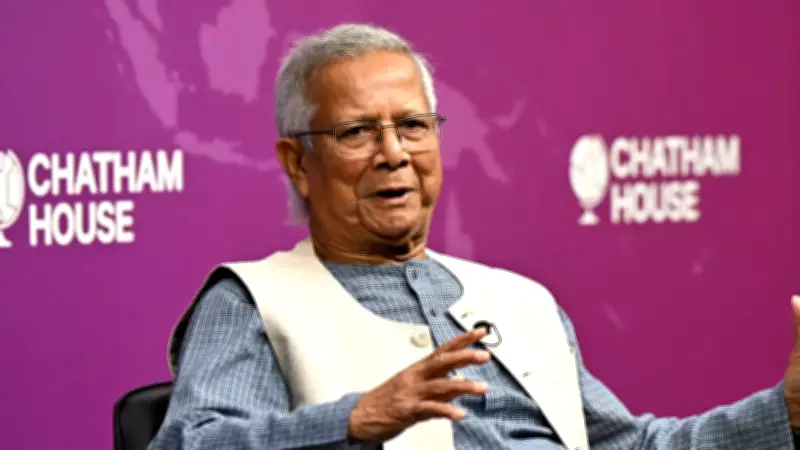
Alongside electing 300 lawmakers, voters are participating in a referendum on sweeping constitutional reforms. These proposals, part of the interim government's "July Charter," include a two-term limit for the prime minister, the creation of an upper house of parliament, enhanced presidential powers, and greater judicial independence. Interim leader Muhammad Yunus, who took charge after Hasina fled to India, has described the vote as a defining moment for the nation, urging citizens to prioritize national interest.
Regional Powers Watch Closely as Dhaka Decides
The election carries significant implications beyond Bangladesh's borders, with India, China, and Pakistan closely monitoring the outcome due to Dhaka's strategic position in South Asia. India faces a delicate recalibration as Sheikh Hasina was seen as a reliable partner, and her removal created uncertainty in bilateral ties. The BNP historically had fraught relations with India, though recent diplomatic engagement suggests efforts to stabilize relations.
China has expanded its footprint through infrastructure investment and development financing, requiring any new government to balance relations between Beijing and New Delhi carefully. Pakistan may see openings depending on Jamaat's influence, but economic realities and export dependence are likely to foster pragmatism over ideology.
Background and Context of the 2024 Uprising
The election follows the violent 2024 uprising that ended Sheikh Hasina's 15-year rule, reshaping the country's political order. What began as student protests over public sector job quotas escalated into a nationwide revolt, culminating in Hasina's resignation and departure to India. More than 1,000 people were killed in the unrest, making it the deadliest episode since the 1971 independence war.
With over 127 million eligible voters, including expatriates voting by post for the first time, the outcome will shape not only Bangladesh's domestic trajectory but also its relations with regional powers. Approximately 300,000 security personnel have been deployed, and around 500 foreign observers are monitoring proceedings to ensure a fair and impartial election.
Key Campaign Promises and Voter Sentiment
Rahman has warned that "the economy has been destroyed" and emphasized the need to generate employment for young people, focusing his campaign on national sovereignty and institutional reform. Jamaat-e-Islami, under Shafiqur Rahman, has mounted a disciplined grassroots effort, pledging unity and an end to corruption. The inclusion of the National Citizen Party adds a generational dimension to the contest, testing whether protest movements can translate into parliamentary influence.

Yunus, in his final address before the vote, reminded citizens that "victory is part of democracy; defeat is also an inevitable part," highlighting the broader project of democratic renewal. The result will determine not only who governs but whether Bangladesh can emerge from crisis with a stronger democratic center, resonating well beyond its borders in a region marked by instability and strategic competition.





