

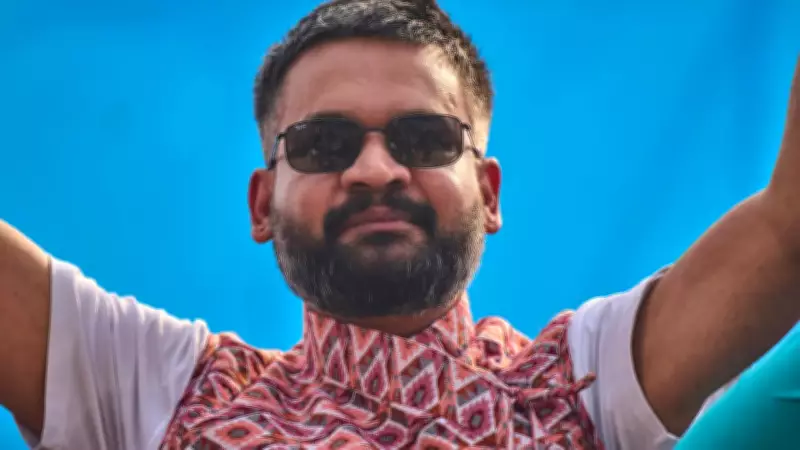
Balendra Shah Sworn In as Nepal's Youngest Prime Minister in Historic Ceremony
Balendra Shah, the parliamentary party leader of the Rastriya Swatantra Party (RSP), was sworn in as Nepal's Prime Minister on Friday, making him the youngest person to ever hold the country's top executive office. The historic oath-taking ceremony took place at the President's Office, Sheetal Niwas, in Kathmandu.
Constitutional Oath and Traditional Rituals
President Ramchandra Paudel administered the oath to Shah under Article 76(1) of Nepal's Constitution. The new Prime Minister, dressed entirely in black and wearing his trademark dark sunglasses, pledged his loyalty to the constitution and the people of Nepal. "I, Balendra Shah, in the name of the country and people, pledge that I will be loyal to the constitution... and fulfil my duty as the prime minister," Shah declared during the ceremony.
The swearing-in was marked by elaborate traditional rituals that reflected Nepal's rich cultural heritage. These included shankhanaad (the blowing of conch shells), swastishanti recitations performed by 108 Batuks, and ashtamangal chanting by 16 Buddhist monks, as organized by the RSP.

Historic Milestone for Madheshi Community
At just 35 years old, Balendra Shah becomes not only Nepal's youngest Prime Minister but also the first leader from the Madheshi community to ascend to the country's highest executive position. This represents a significant political milestone in Nepal's diverse social landscape.
From Rapper to Political Leader
Shah's political journey is particularly noteworthy. The rapper-turned-politician first gained national attention during his tenure as Kathmandu's mayor, where he developed a reputation for his confrontational style against the federal establishment. He frequently challenged Singha Durbar, the traditional seat of power in the Himalayan nation.
His political career has been defined by several key elements:
- Advocacy for Kathmandu's governance rights
- Bold stances during public controversies
- Direct clashes with authorities
- Engagement in cultural disputes
Political Context and Election Results
Shah's appointment follows the House of Representatives elections held on March 5, in which the Rastriya Swatantra Party emerged as the largest political force with 182 seats. The party had announced before the election that Shah would be its nominee for prime minister, setting the stage for his eventual ascension to the country's highest office.
The transition represents a significant shift in Nepal's political landscape, with a younger generation of leaders now taking center stage in the country's governance. Shah's background as both a cultural figure and local administrator brings a unique perspective to the Prime Minister's office, potentially signaling new approaches to addressing Nepal's challenges.






