

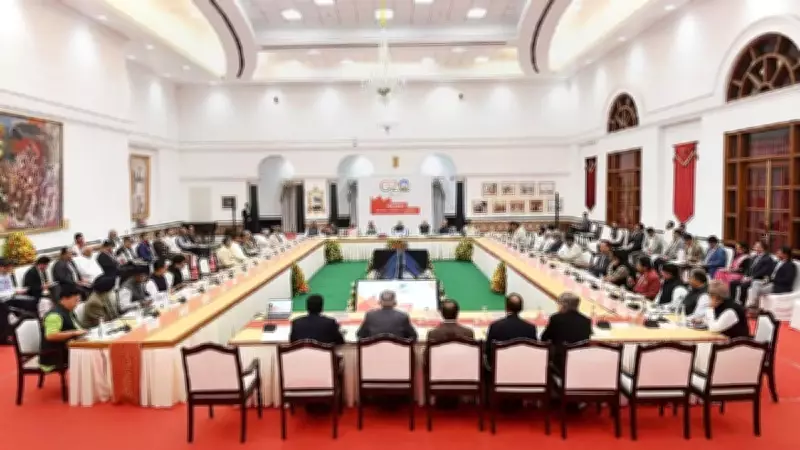
Government Calls All-Party Meeting on March 25 Amid Rising Concerns Over Middle East Conflict
The Indian government has officially announced the convening of an all-party meeting on March 25, 2026, in response to escalating tensions and growing concerns regarding the ongoing conflict in the Middle East. This strategic move aims to foster a unified national stance and ensure bipartisan support for India's diplomatic and security policies in the volatile region.
Background and Context of the Meeting
The decision to hold this high-level meeting comes at a critical juncture, as the Middle East conflict has intensified, posing significant risks to regional stability and global peace. India, with its substantial economic and strategic interests in the area, including energy security and diaspora welfare, is closely monitoring the situation. The government's proactive approach seeks to address potential implications for national security and foreign relations.
Officials have emphasized that the meeting will provide a platform for all political parties to voice their perspectives and contribute to a cohesive strategy. This inclusive dialogue is expected to cover key issues such as humanitarian aid, diplomatic interventions, and measures to safeguard Indian citizens abroad, reflecting the government's commitment to transparency and collaborative governance.

Agenda and Expected Outcomes
The agenda for the March 25 meeting is anticipated to include detailed briefings on the current state of the Middle East conflict, assessments of its impact on India, and discussions on possible diplomatic initiatives. Participants will likely explore avenues for de-escalation and conflict resolution, aligning with India's longstanding principles of non-interference and peaceful coexistence.
Key outcomes may involve the formulation of a consensus-based action plan, which could include enhanced coordination with international bodies like the United Nations, increased humanitarian assistance, and strengthened security protocols for Indian expatriates. The government hopes that this meeting will not only bolster national unity but also reinforce India's role as a responsible global actor in promoting stability.
Political and Strategic Implications
This all-party meeting underscores the government's recognition of the conflict's far-reaching consequences, which extend beyond immediate security concerns to affect economic ties and geopolitical alliances. By engaging opposition parties, the administration aims to mitigate political divisions and present a united front, which is crucial for effective policy implementation and international credibility.
Analysts suggest that such consultations could enhance India's diplomatic leverage in multilateral forums, enabling more robust advocacy for peace and dialogue. Furthermore, it demonstrates a mature approach to crisis management, where domestic consensus is prioritized to navigate complex external challenges, thereby strengthening democratic processes and institutional resilience.






