Air India and IndiGo Aircraft Wingtips Scrape at Mumbai Airport, DGCA Launches Probe
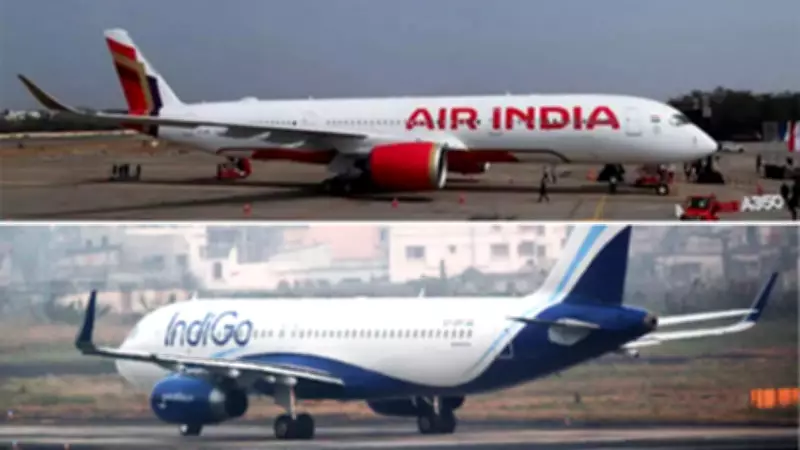
In a concerning ground incident at Mumbai's Chhatrapati Shivaji Maharaj International Airport, the wingtips of two commercial aircraft from major Indian airlines came into contact on Tuesday. The incident involved a stationary Air India Airbus A320 and a taxying IndiGo A320, prompting immediate regulatory scrutiny and operational disruptions.
Details of the Airport Ground Incident
The Air India aircraft, registered for flight AI 2732 from Mumbai to Coimbatore, was stationary on the taxiway while preparing for departure. Simultaneously, the IndiGo aircraft, having completed flight 6E 791 from Hyderabad to Mumbai, was taxying through the airport's movement area. According to preliminary reports, the left-side wings of both Airbus A320 aircraft made contact, resulting in visible damage to the wingtips.
The Directorate General of Civil Aviation (DGCA), India's aviation regulatory authority, has officially sought detailed information from both airlines and initiated a thorough investigation into the circumstances surrounding this unusual ground incident. Aviation experts emphasize that such wingtip contacts, while rare, require meticulous examination to prevent recurrence.

Air India's Official Statement and Passenger Handling
An Air India spokesperson confirmed the incident, stating: "Flight AI2732 operating from Mumbai to Coimbatore on February 3 was delayed after the aircraft scheduled to operate the service came into contact with another airline's aircraft while waiting on the taxiway prior to take-off. The wingtips of the two aircraft made contact, resulting in damage to our aircraft's wingtip."
The spokesperson further elaborated on the airline's response measures: "As a precautionary measure, the aircraft has been grounded for further technical checks. All passengers were safely disembarked, and our ground teams are making alternative arrangements to fly them to their destination at the earliest. The incident has been reported to the regulator. Air India regrets the inconvenience caused to passengers due to this event. The safety of our passengers and crew remains our highest priority."
IndiGo's Response and Safety Protocols
IndiGo, India's largest airline by market share, also issued an official statement regarding the incident: "We confirm that the wingtip of one of our aircraft operating flight 6E 791 from Hyderabad to Mumbai on February 3, 2026 came in contact with an aircraft of another airline while taxiing, after landing. All passengers are safe and disembarked after parking. The aircraft is undergoing maintenance inspections."
The IndiGo spokesperson emphasized the airline's adherence to established safety protocols: "In line with established protocols, the relevant authorities were promptly informed and the matter is being investigated. At IndiGo, the safety and security of our customers, crew and aircraft remain our highest priority."
Aviation Safety Implications and Investigation Focus
This incident raises important questions about ground operations safety at India's busiest airports. Aviation analysts highlight several critical aspects that the DGCA investigation will likely examine:
- Taxiway procedures and aircraft separation standards during ground movements
- Communication protocols between air traffic control and flight crews
- Aircraft parking and taxiing patterns at congested airport areas
- Wingtip clearance requirements for different aircraft types
- Training protocols for ground handling and flight operations
Both airlines have demonstrated their commitment to passenger safety through immediate grounding of affected aircraft and transparent communication about the incident. The DGCA's findings will be crucial for implementing any necessary operational improvements across Indian aviation.
This incident serves as a reminder of the complex coordination required in airport ground operations, particularly at major hubs like Mumbai Airport that handle hundreds of daily flights. The aviation community awaits the investigation results while both airlines work to minimize passenger inconvenience and maintain their impeccable safety records.