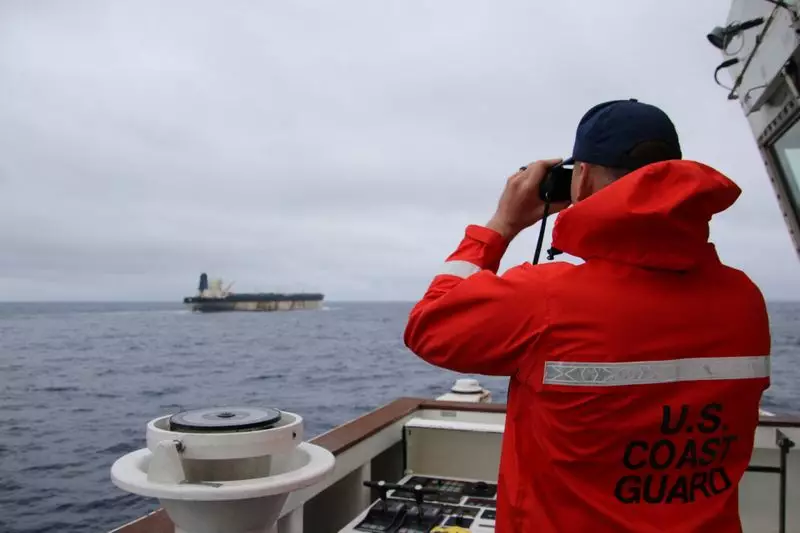
The United States government has seized a Russian oil tanker, the Marinera, with three Indian nationals confirmed to be part of its crew. This dramatic action, executed by US federal agents, is a direct enforcement of international sanctions aimed at curbing Russia's oil revenue following its invasion of Ukraine.
The Seizure and Its Legal Grounds
Acting on a warrant from a US District Court, federal agents boarded and took control of the vessel. The core allegation against the tanker's operators is a violation of the price cap mechanism established by the G7 nations, the European Union, and Australia. This policy prohibits the use of Western maritime services like insurance and shipping for Russian crude oil sold above a set price of $60 per barrel.
The US Department of Justice asserts that the owners and operators of the Marinera used a US-based financial service to facilitate the trade of Russian crude priced above this cap. This transaction, they argue, illegally provided a substantial financial resource to Russia's military operations in Ukraine. The seizure underscores the global reach of US sanctions enforcement, impacting international shipping crews, including Indians.

Indian Crew Members and Government Response
Official sources have verified that three Indian sailors were serving on the Marinera at the time of its seizure. The Indian government, through its missions, is actively engaged in the situation. Authorities are in touch with the relevant companies and international bodies to ensure the welfare and repatriation of the Indian nationals involved.
While the priority remains the safe return of the crew, this incident highlights the complex risks faced by Indian maritime professionals working on vessels linked to global geopolitical conflicts. The Ministry of External Affairs is closely monitoring developments to provide necessary consular assistance.
Broader Implications for Global Oil Trade
The seizure of the Marinera is not an isolated event but a clear signal of Washington's intensified crackdown on sanctions evasion. It demonstrates the willingness of US authorities to target physical assets—ships—not just impose financial penalties. This action aims to close loopholes and deter other entities from facilitating above-cap oil trades for Russia.
For the global shipping and insurance industry, the message is stark: compliance with the price cap regime is critical. The involvement of a US financial service in this case shows that enforcement can be triggered by any connection to the American financial system. This development is likely to cause increased caution and due diligence among traders, insurers, and ship owners worldwide, potentially further complicating the shadow fleet transporting Russian oil.
For India, a major importer of Russian crude, such enforcement actions add another layer of complexity to energy procurement. While Indian imports purchased at or below the cap are not the target, the incident underscores the need for rigorous verification in oil transactions to avoid unintended legal and reputational risks for companies and crew members alike.