The 1995 Norwegian Rocket Incident: A Scientific Launch That Nearly Sparked Nuclear War
In a chilling episode from the post-Cold War era, a routine scientific rocket launch from Norway in January 1995 triggered one of the most serious nuclear alerts in modern history. For several tense minutes, Russian military systems identified the object as a possible incoming missile, escalating the situation to the highest levels of command and prompting Russian President Boris Yeltsin to activate his nuclear briefcase for the first time.
A Rocket Mistaken for a Missile
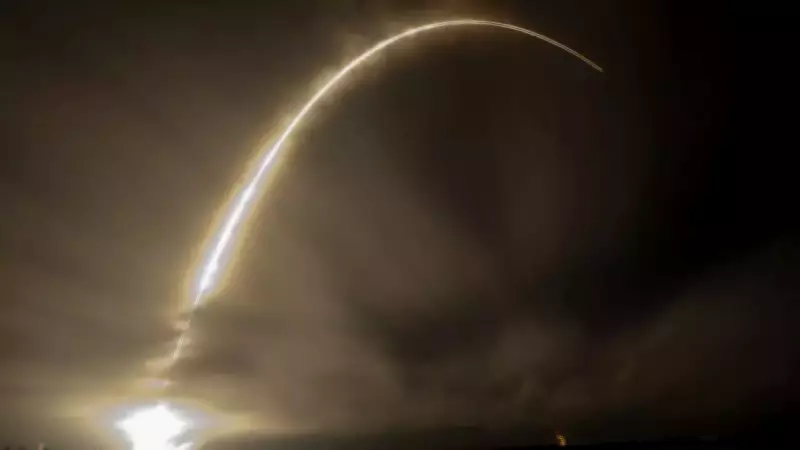
The incident began on January 25, 1995, when Norway launched a Black Brant XII research rocket from the Andøya Rocket Range in northern Norway. This scientific mission was part of a program examining the aurora borealis, commonly known as the Northern Lights. However, the rocket's flight profile proved unusual and dangerously misleading.
The rocket climbed to an altitude of approximately 1,450 kilometers before descending toward the sea near Spitsbergen. On Russian radar systems, this steep ascent closely resembled the trajectory of a submarine-launched ballistic missile. The location added to the alarm—the Norwegian Sea was known to host United States submarine operations, and a missile fired from that area could potentially reach Moscow within about 20 minutes.

Radar operators in northern Russia detected a fast-rising object with little context beyond the raw data, creating perfect conditions for misinterpretation during a period of lingering Cold War tensions.
Nuclear Briefcase Activated in Moscow
The alert moved rapidly through Russia's military chain of command, reaching the Kremlin within minutes. President Yeltsin was informed that an unidentified rocket had been detected and that it might represent the first stage of a nuclear strike designed to disable Russian radar systems.
In response, Yeltsin opened the Cheget nuclear briefcase—the first known instance of any world leader activating such a device in response to a perceived attack. This briefcase allows the president to communicate with senior military commanders and authorize a retaliatory launch if necessary.
Russian military doctrine at the time included the controversial "launch on warning" policy, meaning a nuclear response could be ordered before incoming missiles actually struck their targets. For a critical period, Yeltsin's advisers evaluated radar data and flight patterns with limited time to make a decision as the object continued to be tracked.
Diplomatic Notification That Failed
Complicating the situation was a critical communication breakdown. Norway had actually informed Moscow in advance about the planned scientific launch through diplomatic channels in December 1994. Notices were sent to countries throughout the region about the non-military research mission.
For reasons that remain unclear, this crucial information never reached the Russian early warning units responsible for monitoring missile activity. Without this prior knowledge, radar operators assessed the reading against worst-case assumptions, particularly during a period of political strain inside Russia following the collapse of the Soviet Union.
The Russian military's confidence in their systems had already been shaken by previous incidents, most notably in 1987 when German teenager Mathias Rust flew a light aircraft through Soviet air defenses and landed near Red Square. This history of perceived vulnerabilities made officials particularly sensitive to potential threats.
Alert Cancelled Before Catastrophe
As tracking continued, Russian officers made a crucial observation: the rocket was moving away from Russian airspace and posed no actual threat. The trajectory didn't match that of a strike aimed at Moscow, and the alert status was subsequently lowered.
No missiles were launched, and later that day, Russian officials described the episode as a misunderstanding. Norwegian authorities confirmed that the launch was indeed part of a scientific mission studying atmospheric conditions linked to the aurora borealis.

The entire incident lasted less than an hour and didn't become widely known until afterwards, but it remains one of the clearest examples of how miscommunication and automated warning systems can dangerously narrow decision time in nuclear states. A weather rocket, briefly, carried far more geopolitical weight than anyone had intended.
This near-catastrophe exposed significant gaps in communication protocols and highlighted the lingering mistrust between former Cold War adversaries, serving as a sobering reminder of how close the world came to nuclear conflict even after the Cold War's official end.