US Family's Viral Airport Pizza Hack Ignites Global Debate on Travel Etiquette
Airports represent unique microcosms where human stories intersect dramatically—moments of poignant farewells, joyous reunions, and often, the frustrating reality of exorbitantly priced dining options that strain travelers' budgets. A recent viral incident involving an American family has captured global attention by challenging conventional airport dining norms through a remarkably simple yet controversial money-saving strategy.
The Viral Domino's Delivery That Captured Millions
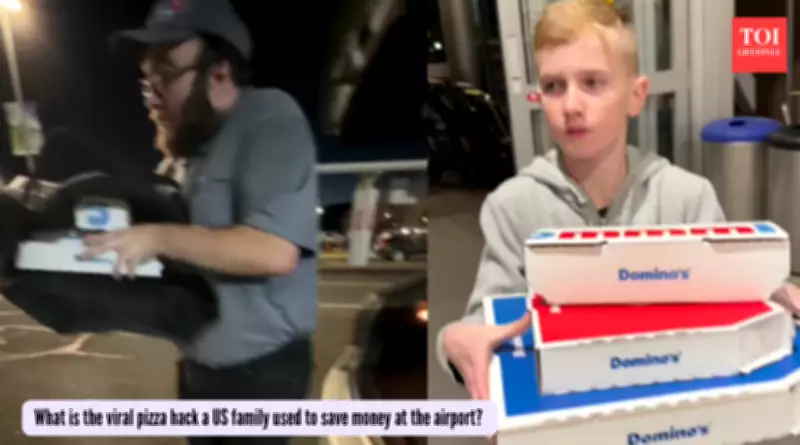
Facing an unexpected flight delay, a resourceful US family decided to bypass the notoriously overpriced airport food outlets entirely. Instead, they executed what they called an "airport food hack" by ordering Domino's pizza for direct delivery to their terminal gate. The family documented this unconventional approach in an Instagram video that rapidly gained viral traction, amassing over 13 million views and 423,000 likes within a short period.
The now-famous clip shows the family members enthusiastically receiving multiple steaming pizza boxes at the airport, with on-screen text explaining their rationale: "Our flight was delayed, and we didn't want to pay airport food prices, so we ordered Dominos for delivery to the airport." Their accompanying caption enthusiastically declared, "Airport food hack, let's goooo!" showcasing their triumph over typical airport dining economics.

Domino's Savvy Social Media Engagement
The pizza chain itself couldn't resist joining the viral conversation. Domino's official social media account commented "just plane delicious" on the family's post, adding corporate endorsement to the already trending content and further amplifying its reach across digital platforms. This interaction highlighted how brands increasingly participate in organic social media moments to enhance their visibility and engagement.
The Heated Social Media Debate on Travel Etiquette
While the family's clever workaround resonated with travelers frustrated by airport meal prices that often triple standard restaurant rates, it simultaneously ignited a fiery debate about appropriate travel behavior and in-flight considerations.
One concerned commenter expressed anxiety about potential cabin discomfort, writing, "I would cry if someone ordered a pizza and I had to sit next to them on a plane and smell it the whole time." This perspective highlighted the sensory considerations of shared travel spaces.
Conversely, another social media user defended the choice, questioning, "How are people complaining about the smell of pizza??! Bring curry on, ok yeah, I understand, but pizza? That smells so good." This response underscored the subjective nature of food aromas and cultural perceptions during travel.
Professional Perspectives from Flight Crews
The discussion gained professional dimension when flight attendants weighed in with practical operational concerns. One aviation professional commented, "I'm a flight attendant. It's a good idea... to eat in the airport... However, it's gonna smell up the plane, and a lot of those boxes are hard to dispose of on the plane because they take up a lot of space. Ever notice how small our trash bags are? Our galley trashes aren't that big."
This insight revealed the logistical challenges flight crews manage daily, where limited cabin storage and waste disposal systems must accommodate diverse passenger behaviors and belongings.
Broader Implications for Travel Culture
The viral pizza hack episode transcends mere social media entertainment, touching upon significant themes in contemporary travel culture. It highlights the ongoing tension between consumer resistance to perceived price gouging in captive markets like airports and the collective etiquette expectations of shared transportation environments.
Furthermore, the incident demonstrates how digital platforms amplify ordinary travel experiences into global conversations, while simultaneously showcasing creative consumer responses to institutional pricing structures. As travel volumes continue recovering post-pandemic, such discussions about value, convenience, and consideration in transit spaces will likely remain prominent in public discourse.