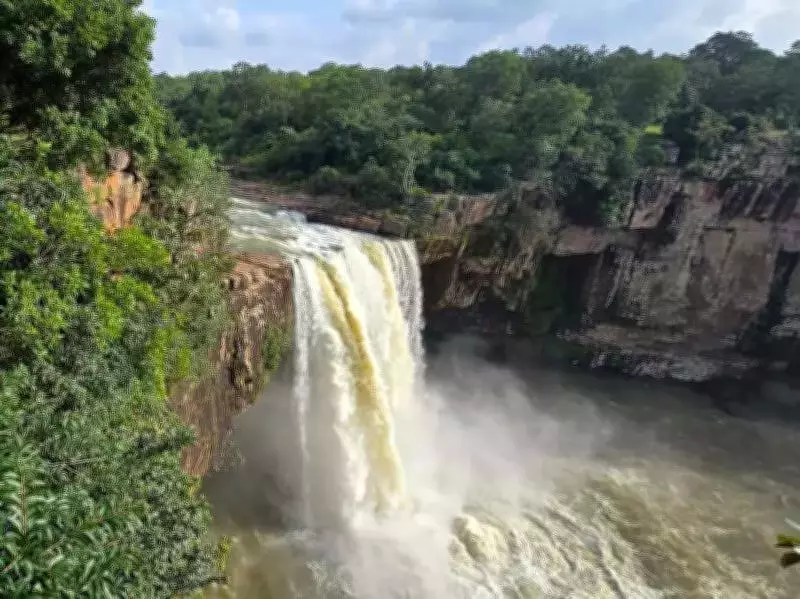
Odisha's Sunabeda Sanctuary to Reopen Waterfalls for Tourism After Maoist Decline
In a significant development for wildlife and tourism in Odisha, the Sunabeda Wildlife Sanctuary in Nuapada district is set to restore day tourism at three large waterfalls—Godhus, Beniadhus, and Kharaldhas. This move comes as Maoist influence in the area has drastically reduced, allowing the wildlife wing to implement plans for visitor amenities that were previously hindered by security concerns.
Restoring Tourism After Years of Restrictions
For over 15 years, tourism activities at these waterfalls were largely restricted, limited only to sporadic picnics by locals due to Maoist presence. Although Nuapada district has been declared Maoist-free, neighboring Chhattisgarh, which borders the sanctuary, still reports Maoist activity. As a result, night facilities have not been permitted for now, but day tourism is being prioritized to boost visitor engagement.
The waterfalls, each more than 100 feet high, boast perennial natural water sources and are surrounded by sprawling forested areas. Currently, tourist routes exist but are rocky and potholed, primarily used by forest field staff and security personnel. Officials have announced that development plans include making these roads more hospitable to enhance accessibility for tourists.

New Amenities and Eco-Friendly Initiatives
The wildlife wing has outlined comprehensive plans to create visitor amenities at the waterfalls. These will include viewpoints, rest sheds, common dining areas, parking facilities, and kiosks for tea and coffee shops. Samir Sahu, the Divisional Forest Officer (DFO) of Sunabeda, emphasized that the eco-development committee (EDC), formed by involving selected villagers, will oversee the hospitality aspects. Visitors will be able to enjoy lunch at the facility by paying a fee determined by the EDC members.
This initiative aims to gradually curb unregulated picnics that have led to littering and accumulation of plastic and other waste in the sanctuary. By providing structured facilities, authorities hope to promote responsible tourism and environmental conservation.
Boost in Wildlife and Visitor Footfall
DFO Samir Sahu highlighted that visitor footfall is expected to increase significantly once the facilities are operational, driven by two key factors: the rise in prey animals and the absence of Maoists. "Prey density has increased manifold in the sanctuary, with carnivores, especially leopards, thriving," he said. Efforts are being made to reduce fire incidents, as fires cause prey animals to stay atop hills, avoiding descent and making them less visible to visitors.
The decline in Left-wing extremism (LWE) has enabled wildlife personnel to install camera traps in every sector of the forest, providing clear data on leopard, carnivore, and herbivore populations. Previously, Maoists would remove cameras to avoid detection, and personnel feared attacks when installing traps in vantage locations. Officials noted that almost 50% of the sanctuary's 600 sq km area was once under Maoist influence, but this has now changed, facilitating better wildlife monitoring and tourism development.
This restoration project marks a positive step towards revitalizing tourism in the region while ensuring the protection of its rich biodiversity.