Safety Crisis at Maharashtra Forts: Basic Infrastructure Missing Despite High Tourist Footfall
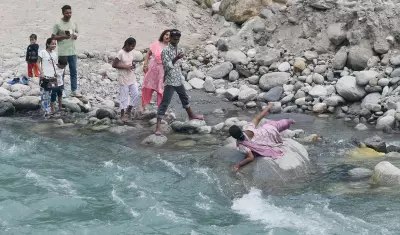
Pune: A critical safety crisis is unfolding across the historic forts of Maharashtra, where basic protective measures remain dangerously inadequate despite a disturbing pattern of accidents over recent years. These incidents range from bee swarm attacks and trekkers slipping into deep gorges to fatal falls, highlighting systemic neglect at sites that attract thousands of visitors weekly.
Protected Monuments at Risk
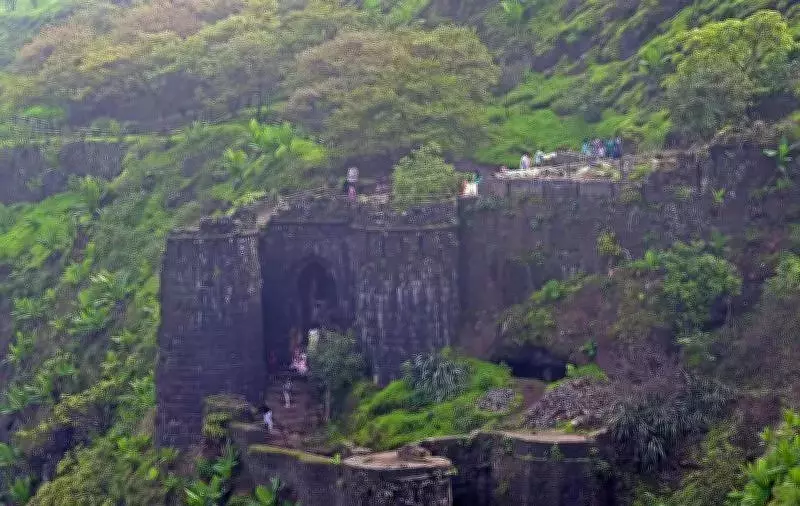
This ongoing disregard raises profound concerns, particularly as numerous forts are officially protected monuments, with several holding prestigious UNESCO World Heritage Site status. Maharashtra boasts over 350 forts, many situated on the steep hills and rugged terrain of the Western Ghats. Iconic locations such as Rajgad, Raigad, Sinhagad, Torna, Lohagad, and Harishchandragad draw massive crowds, including schoolchildren, families, senior citizens, and adventure enthusiasts from across India and abroad.
Despite this heavy and diverse footfall, essential safety infrastructure is either minimal or completely absent on most forts. Key missing elements include:

- Clear warning signboards at vulnerable points
- Safety railings near steep drops and cliffs
- Well-demarcated and maintained trekking routes
- Functional emergency helpline numbers
- Trained rescue personnel stationed on-site
In many locations, existing signboards have faded or collapsed, while temporary barricades installed following accidents have been removed or damaged within months, leaving hazards exposed once again.
Official Acknowledgment and Funding Hurdles
Vilas Wahane, assistant director of the state archaeological department, confirmed the dire situation to TOI. "We submitted an estimate for the preservation work required on these forts to the state government. Work can commence only after receiving the necessary funds. It is imperative to build adequate safety infrastructure at these locations, considering their global status and the increasing visitor numbers every year," he stated.
Recurring Accidents and Inadequate Response
Over the past few years, multiple forts have reported incidents involving aggressive bee swarms, causing panic among trekkers. In several cases, visitors attempting to flee have slipped on rocky paths or tragically fallen into gorges. A senior forest officer revealed, "This became a major concern at famous forts like Shivneri in Junnar. There have been over 30 such incidents at various forts, including Shivneri. Visitors are now fearful of these spots. We have erected boards, but the issue requires a logical, permanent resolution."
Monsoon treks, while popular, turn particularly hazardous due to slippery terrain, poor visibility, and overflowing streams. Local rescue groups often serve as the first responders, intervening long before government machinery arrives. Dhananjay Kale, a member of a Pune-based trekking organization, criticized the cyclical response pattern: "There is a clear pattern — an accident occurs, public outrage flares for a few days, temporary measures are announced, and then everything is forgotten. We are not demanding luxury facilities, but basic safety arrangements that can save lives."
Heritage Status Fails to Ensure Safety
Experts emphasize that the situation is especially alarming at forts listed as UNESCO World Heritage Sites. These locations attract international tourists and are expected to adhere to global standards for visitor management. However, trekkers allege that heritage recognition has not translated into improved safety or monitoring on the ground.
A heritage conservationist, speaking anonymously, addressed a common misconception: "There is a false belief that installing railings or safety signage will harm the fort's heritage character. In reality, sensitive and well-planned safety measures are integral to responsible conservation. Globally, heritage sites successfully balance preservation with visitor safety. Maharashtra's forts deserve the same thoughtful approach."

Lack of Coordination and Accountability
Another significant issue is the glaring lack of coordination between various government departments. The Archaeological Survey of India (ASI), state archaeology department, forest department, and district administrations all have overlapping roles, yet trekkers report that accountability remains unclear. In emergencies, families and volunteers frequently struggle to identify which authority to contact for assistance.
Keshav Tengle, a regular trekker, urged for collaborative action: "These agencies need to formally involve trekker organizations and local rescue teams. Their views should be registered at regular intervals, and functioning should be adjusted accordingly. Many forts still lack basic safety measures and infrastructure. Any mishap can occur here."
Post-Pandemic Tourism Surge Highlights Deficiencies
With trekking and heritage tourism experiencing a sharp surge following the pandemic, footfall at forts has increased dramatically, particularly on weekends, public holidays, and during festivals. Despite this, safety audits, comprehensive risk mapping, and effective crowd management plans are conspicuously absent at most sites, according to a section of trekkers and activists.
These stakeholders are now advocating for a comprehensive safety policy for forts, which should include:
- Regular inspections and maintenance schedules
- Permanent railings at identified danger points
- Dedicated emergency response teams during peak seasons
- Public awareness campaigns for first-time visitors
They warn that unless authorities adopt a proactive stance, more preventable tragedies are inevitable.
A Call for Urgent Reform
Veteran mountaineer Umesh Zirpe summarized the pressing need for change in his statement to TOI: "For now, Maharashtra's iconic forts continue to draw crowds with their rich history and breathtaking scenic beauty — but beneath this allure lies a fragile and often dangerous reality that visitors are forced to navigate largely on their own. This has to be changed at the earliest. Only then will we be able to securely attract global trekkers and visitors."
The combination of historical significance, natural beauty, and escalating tourist numbers makes the implementation of robust safety protocols not just a regulatory necessity, but a moral imperative to protect lives and preserve Maharashtra's cultural legacy for future generations.