5 Essential Items You Must Never Remove From Beaches: Environmental Impact Explained
A beach vacation often creates a carefree atmosphere where everyday rules seem distant. With crashing waves, endless stretches of sand, and a profound sense of freedom, many travelers succumb to the temptation of taking small souvenirs. A seashell here, a handful of sand there—it appears harmless. However, these actions carry significant consequences. Beaches represent fragile ecosystems governed by strict environmental regulations, conservation guidelines, and delicate natural balances. What seems trivial to an individual tourist can collectively inflict long-term harm when multiplied by millions of visitors annually.
Numerous items commonly taken from beaches play crucial roles in coastal protection, marine life survival, and even local economic stability. In many popular destinations, removing these items is not merely unethical—it is explicitly illegal. Here are five things you should absolutely never bring back from a beach trip, along with detailed explanations of why leaving them undisturbed matters more than most travelers realize.
Seashells (Especially Live or Intact Specimens)
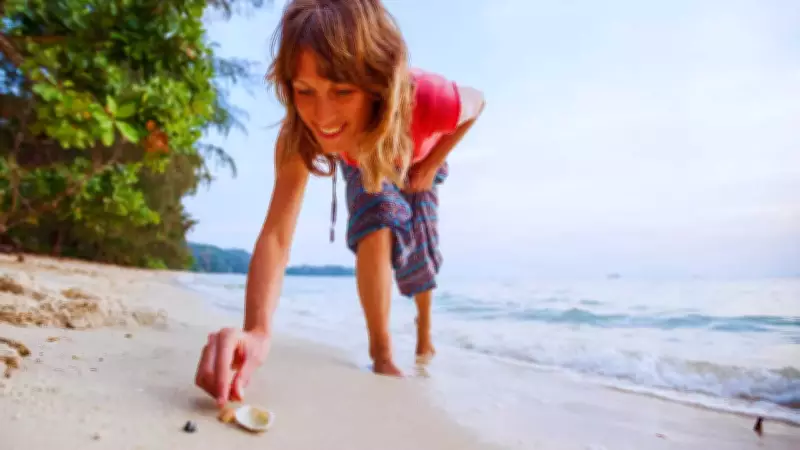
Seashells might appear as perfect natural mementos, but they serve far greater purposes on the shoreline. Broken shells gradually decompose into sand, helping to stabilize and reinforce beach structures. Intact shells provide essential shelter for small marine creatures, including hermit crabs, offering protection from predators and harsh environmental conditions.

Removing shells disrupts this vital natural cycle. In tourist-heavy regions, mass collection of shells has led to noticeable beach erosion and habitat destruction. Consequently, many nations enforce restrictions or outright bans on shell removal through coastal and wildlife protection legislation. Countries like India, the Maldives, Thailand, and Australia have implemented stringent laws to preserve their marine ecosystems, with penalties for violations.
Sand, Gravel, or Beach Stones
Sand is not merely inert material; it results from millennia of erosion involving coral, shells, and rocks. Ocean currents and tides naturally redistribute sand along coastlines, but human extraction accelerates erosion dramatically. While individual tourists might take small amounts, the cumulative effect of millions of visitors leads to substantial sand depletion.
Globally, numerous beaches have visibly shrunk due to sand theft, forcing authorities to undertake costly artificial replenishment projects that strain both budgets and local environments. Many countries classify sand removal as an environmental offense, with airports conducting checks and imposing fines or confiscating illegally taken materials.
Coral Fragments (Both Dead and Alive)
Coral, even when appearing lifeless, forms an integral component of complex marine ecosystems. Dead coral fragments stabilize seabeds and provide foundations for new coral growth. Live corals are even more critical, constituting the structural backbone of reef systems that support immense biodiversity.
Removing coral—whether from shallow waters or collected as washed-up pieces—impedes reef regeneration and is illegal in most coastal nations. Coral reefs already face severe threats from climate change, ocean warming, and pollution. Tourist interference exacerbates these pressures, leading to further degradation. Customs authorities in many destinations impose heavy fines or legal actions against travelers carrying coral fragments.
Marine Animals, Alive or Deceased
Creatures like starfish, sea urchins, sand dollars, and small crabs are frequently picked up for photographs or kept as souvenirs. Even brief handling can cause serious harm; for instance, starfish may suffocate when removed from water, while sand dollars—often mistaken for shells—are living organisms.
Deceased marine animals also play essential roles by recycling nutrients back into the sand and sea, supporting food chains and decomposition cycles. Disturbing these organisms, whether alive or dead, disrupts ecological balances. Numerous marine species receive protection under wildlife laws, with many coastal regions prohibiting any interference with them.

Driftwood and Seaweed
Although often viewed as debris, driftwood and seaweed are fundamental to beach health. Seaweed helps prevent erosion by trapping sand and supplying nutrients that sustain coastal vegetation. Driftwood creates microhabitats for insects, birds, and small animals, enhancing local biodiversity.
Removing these natural materials increases beach vulnerability to erosion and reduces ecological diversity. It is crucial to leave them undisturbed while ensuring that no artificial garbage is left behind. By respecting these natural components, travelers contribute to the preservation of coastal ecosystems for future generations.