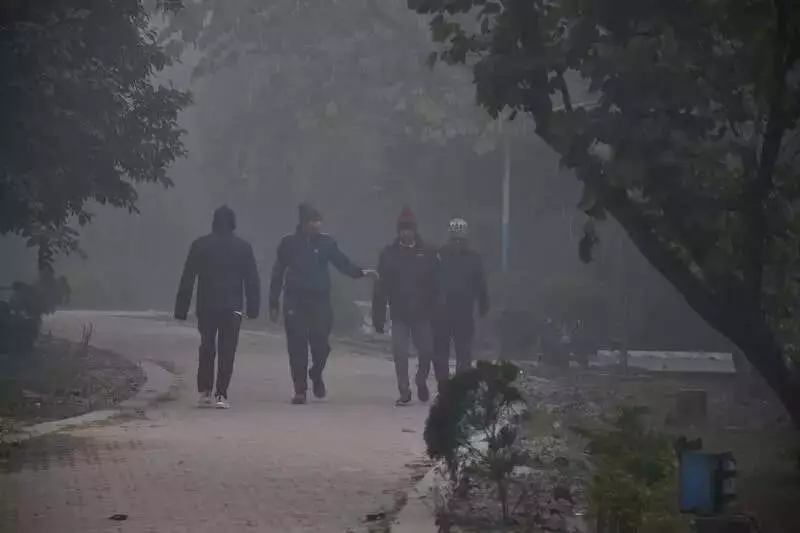
An unusually prolonged cold spell has gripped Kolkata over the past few weeks, compelling its residents to significantly alter their daily rhythms. This sustained dip in temperatures, which many say is the most intense in about 15 years, has forced a city more familiar with sweltering humidity to adapt to a persistent chill. The impact is visible across neighborhoods, parks, streets, and markets as Kolkatans tweak their routines to cope.
Morning Routines and Social Hubs Disrupted
The first signs of change appeared in the city's morning rituals. Parks that are typically bustling with seniors and fitness enthusiasts by dawn saw thinner crowds. Many, like members of various running clubs, chose to delay their start until after 7:30 or 8:00 AM. Mohammad Akbar Shamsi, from a city-based running club, explained the shift: "We wait until after 7:30 am before stepping out. The cold is biting but fog is a bigger concern. Visibility around Maidan and Victoria Memorial was poor on several mornings, so we wait for it to clear."
Similarly, groups like the New Town Laughing Club revised their timings. Member Vineet Thapa noted they now meet around 8 am, with many senior members excusing themselves due to the cold. The classic Kolkata adda, or relaxed conversation, moved indoors or became shorter, accompanied by extra cups of tea.

This behavioral shift created a ripple effect for eateries. Cafes and tea shops experienced a steady early rush, with customers lingering longer over warm drinks. A popular cafe on Park Street reported consistently high footfall from opening time at 10 AM, with hardly any vacant chairs. At the iconic Indian Coffee House on College Street, sales of hot beverages surged noticeably. Tapan Kumar Pahari of the Indian Coffee Workers' Co-operative Society confirmed that the weather had pushed up footfall, with many waiting for their turn to have hot coffee to beat the chill.
Commute, Work, and Home Life Adjustments
The extended cold wave also transformed commuting habits across the city. Two-wheeler riders adopted new layers of protection, using scarves under helmets along with gloves and jackets. In buses and autos, passengers pulled windows down to block the cold wind. Ahona Gupta, a resident of Lake Town, shared her struggle: "Getting ready for office became a challenge. While commuting, I now wrap a scarf around my ears for protection."
Indoors, routines were tweaked as well. Many deferred morning and evening outdoor plans, choosing to stay inside for longer. The usual buzz in the central business district died down early, with shops and offices shutting sooner. A trader selling laptops and mobiles in Chandni Market reported low footfall directly due to the cold weather.
Winter Essentials See Brisk Business
While many sectors slowed, the chill brought a welcome boom for sellers of winter essentials. In the electrical goods hubs of Ezra Street and Chandni, shopkeepers prominently displayed room heaters at the front of their stores. A shop owner on Ezra Street revealed that most of their stock had been sold during this spell, and they were not even offering discounts on branded heaters.
Vendors in New Market also capitalized on the demand, displaying caps, gloves, and earmuffs more prominently than in previous winters. Snack stalls, too, reported higher sales of fried food and warm beverages as people sought comfort from the cold. This surge in sales highlights how the weather has directly influenced the local economy, creating pockets of brisk business amidst the general slowdown.
The collective adjustments—from delayed morning walks and longer cafe stops to layered commutes and a heater rush—paint a clear picture of a city adapting to an unfamiliar climatic challenge. This prolonged cold spell serves as a reminder of how deeply weather can weave into the fabric of daily urban life, reshaping it in subtle yet significant ways.