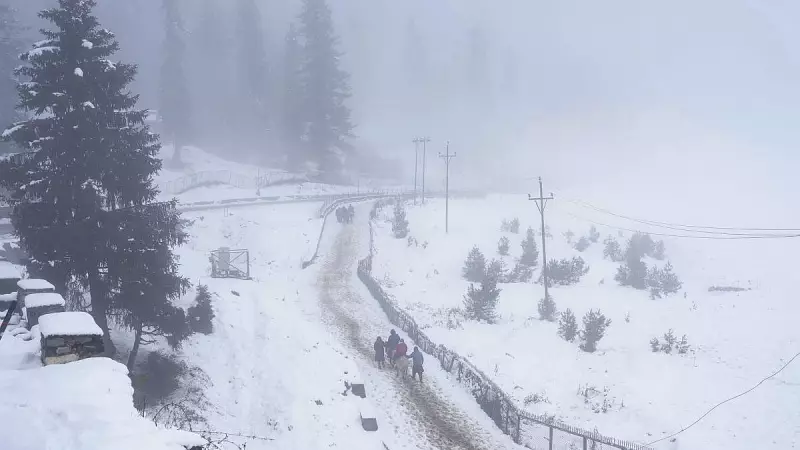
The famed winter tourism season in Jammu and Kashmir is facing an unprecedented challenge this December. A significant lack of snowfall has left popular destinations like Gulmarg and Pahalgam unusually quiet, with hoteliers reporting a stark contrast to the bustling scenes of previous years.
Unprecedented Vacancies in Peak Season
Abdul Majeed, a local hotelier, highlighted the severity of the situation. "By this time in December, it was difficult to find a vacant room in Gulmarg. This season, availability is not an issue at all," he stated. This statement underscores a worrying trend for an industry that heavily relies on the winter months, particularly for snow-based activities like skiing and sledging. The absence of the usual blanket of snow has directly translated into empty hotel lobbies and cancelled bookings.
The Pahalgam Precursor and Wider Impact
The current anxiety follows an earlier shock to the region's tourism sector in Pahalgam. While the original report did not detail the specific incident in Pahalgam, its mention indicates a series of setbacks for Kashmir's vital tourism economy. The combined effect creates a precarious situation for thousands of locals whose livelihoods are intertwined with tourist arrivals. From hotel staff and ski instructors to taxi drivers and handicraft sellers, the economic ripple effect of a poor season is substantial.

An Uncertain Wait for Winter's Kiss
As of December 17, 2025, the region and its tourism stakeholders are in a tense waiting game. The entire winter tourism calendar, which typically peaks from December through February, now hinges on the arrival of sufficient snowfall. The current scenario raises critical questions about climate variability and its impact on traditional weather patterns in the Himalayan region. For now, the stunning landscapes of Kashmir wait silently for the winter snow that is not just a scenic marvel but the very lifeblood of its seasonal economy.