For countless Indian travellers, Japan sits proudly at the top of the bucket list. The allure of its rich culture, stunning landscapes, and impeccable order is undeniable. First-time visitors, however, often experience a culture shock that has nothing to do with language or food, but with cleanliness. The country's spotless streets and immaculate public spaces, maintained despite a notable absence of public dustbins, are a testament to a deeply ingrained social responsibility.
The Curious Case of the Missing Dustbins
Walking through the bustling metropolises of Tokyo, Kyoto, or Osaka, an observant visitor will quickly notice something unusual: a severe scarcity of public trash cans. This is no oversight; it is a deliberate policy. Japan intentionally limits public bins to reduce urban clutter and maintain aesthetic beauty. This practice places the onus of waste management directly on the individual, fostering a powerful sense of personal accountability.
The result is streets that remain spick and span even during peak tourist seasons. For visitors, this means adapting to a new rule: being responsible for your own trash until you can dispose of it correctly. The most practical tip? Carry a small, foldable bag in your backpack or purse to collect wrappers, used tissues, and other waste throughout the day, just as many locals do.

Decoding Japan's Meticulous Waste Segregation
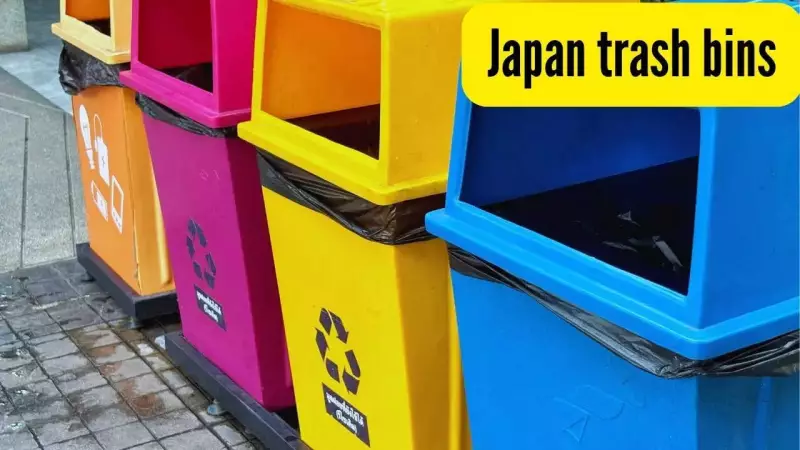
When you do find a bin—typically near convenience stores, vending machine clusters, or train stations—you'll encounter Japan's highly organized waste separation system. While specific rules can vary by municipality, travellers will commonly find a few core categories:
- Burnable (Combustible) Waste: This includes food scraps, paper towels, and small soiled items.
- Non-Burnable (Incombustible) Waste: Items like glass, metals, and ceramics go here.
- Recyclables: This is often further divided into separate slots for PET bottles, aluminium cans, and glass bottles.
It's considered good practice to make an effort to sort your waste correctly. Look for English labels and intuitive icons on the bins to guide you. Convenience stores are reliable spots with clearly marked disposal stations.
Essential Etiquette for the Responsible Traveller
Understanding and respecting this system is more than just following rules; it's about honouring a cultural mindset. Here are key takeaways for Indian travellers planning a trip to Japan:
Always be prepared to carry your trash. Treat your personal trash bag as an essential travel item, like your wallet or phone.
Dispose of waste only in designated areas. Appropriate places include convenience stores, train stations, and your hotel or accommodation. Never leave trash bags at random street collection points.
Resist the urge to litter—absolutely. Do not drop even small items like cigarette butts, candy wrappers, or tissues on streets, in parks, or on sidewalks. Littering is severely frowned upon.
Embracing this aspect of Japanese life enhances your travel experience and shows respect for a society that values collective harmony and cleanliness above individual convenience. It’s a powerful lesson in social responsibility that every visitor can bring back home.