Mammoth Cave's Hidden World: Prehistoric Sharks to Mineral Flowers
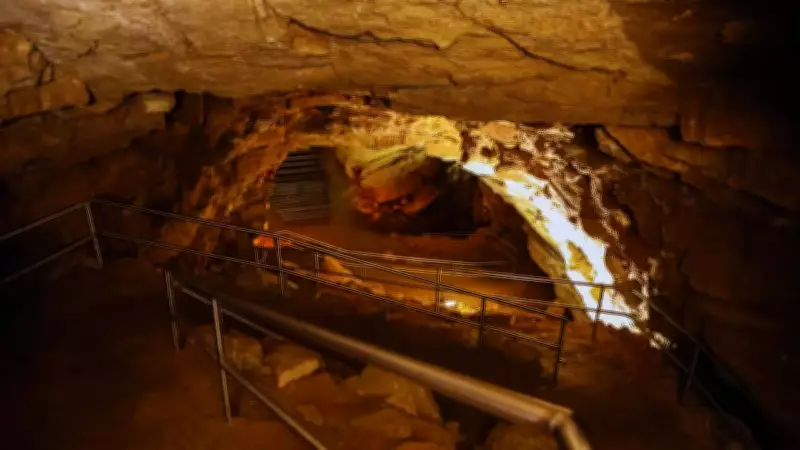
Beneath the serene landscapes of Kentucky's rolling hills and dense forests lies a subterranean realm of staggering proportions and scientific wonder. Mammoth Cave National Park, home to the world's longest known cave system, extends over 680 kilometers into the Earth's crust, with explorations continually expanding its mapped boundaries. This limestone labyrinth serves not merely as a geological formation but as a multifaceted archive—preserving fossils, fostering unique ecosystems, and showcasing mineral marvels shaped across hundreds of millions of years.
This hidden world encapsulates ancient remnants of the seas that once blanketed North America, provides a sanctuary for creatures adapted to perpetual darkness, and features mineral deposits that mimic flowers frozen in time. Visitor alert: Due to severe winter snowfall and hazardous icy conditions from a recent storm, Mammoth Cave National Park has temporarily closed its visitor center, cave tours, and road access. Travelers are advised to verify current park conditions before planning any visits.
Prehistoric Shark Fossils: A Glimpse into Ancient Seas
Deep within the cave's recesses, scientists have identified a new species of ancient shark, Macadens olsoni, dating back approximately 340–335 million years. According to the National Park Services, this era saw the region submerged under a warm, shallow sea. The small shark, estimated to have grown less than a foot long, is notable for its rare wheel-shaped tooth whorl, an adaptation for crushing mollusks and worms. Fossils were discovered in the Ste. Genevieve Formation, a limestone layer abundant with marine life like crinoids and corals. This finding, along with the reclassification of another ancient shark from the cave, underscores the site's unexpected marine diversity and its role as a fossil vault.

Stalactites, Stalagmites, and Crystal Formations
One of the most captivating features of Mammoth Cave is its array of limestone formations. Over millions of years, mineral-rich water has dripped through the cave's ceiling, gradually forming delicate stalactites and stalagmites. In many instances, these structures have merged to create massive pillars, serving as a tangible reminder of the cave's ancient existence and ongoing geological processes.
Unique Cave Wildlife: Adaptations to Darkness
Beyond its rocky confines, Mammoth Cave hosts a specialized ecosystem of animals that have evolved to thrive in complete darkness. This includes blind cavefish, albino crayfish, cave crickets, and salamanders, all exhibiting unique adaptations such as poor eyesight and heightened other senses. Many of these species are endemic to the cave system, highlighting its ecological significance.
Underground Rivers and Hidden Waterways
The Green River and its subterranean branches weave through the cave, playing a crucial role in sculpting the labyrinth over eons. These hidden watercourses support distinct ecosystems, including aquatic species like the Kentucky cave shrimp, and continue to shape the cave's structure through erosion and deposition.
Gypsum "Flowers" and Mineral Oddities
Among the cave's most striking features are gypsum formations that resemble delicate flowers. These mineral deposits, formed through slow chemical processes, add to the cave's otherworldly beauty and serve as a testament to its dynamic geological history.
Surface Wildflowers and Sinkhole Gardens
Above ground, the park's surface areas bloom with wildflowers and sinkhole gardens, creating a stark contrast to the dark depths below. These features contribute to the park's biodiversity and offer visitors a glimpse into the interconnectedness of surface and subsurface environments.
In summary, Mammoth Cave stands as a monumental natural wonder, blending prehistoric fossils, unique wildlife, stunning mineral formations, and flowing waterways into a cohesive narrative of Earth's history. Its ongoing discoveries remind us of the planet's hidden treasures and the importance of preserving such sites for future generations.