India's Archaeological Sites Poised to Become the Next Major Travel Phenomenon
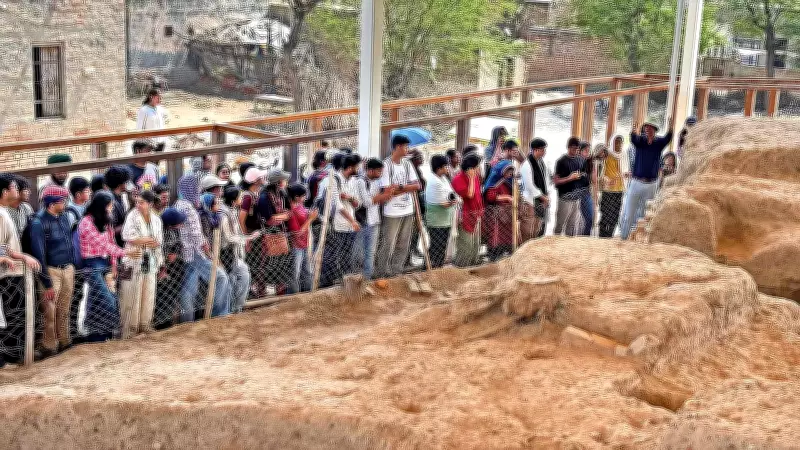
On a remarkably bright winter morning, archaeologist Nakul Chhabra embarked on a three-hour journey from Gurugram, heading towards the ancient site of Rakhigarhi. Accompanying him was a group of passionate history enthusiasts, all eager to witness firsthand one of the largest and most significant locations of the Indus Valley Civilisation, which dates back nearly 5,000 years.
This excursion is not an isolated event but rather part of a growing movement that suggests India's archaeological sites might just be the country's next major travel trend. As more people seek authentic and educational experiences, these historical landmarks are gaining unprecedented attention from both domestic and international tourists.
The Rising Interest in Historical Exploration
The journey to Rakhigarhi exemplifies a shift in travel preferences, where individuals are moving beyond conventional tourist spots to explore the rich tapestry of India's ancient past. The Indus Valley Civilisation, one of the world's oldest urban cultures, offers a unique glimpse into early human settlement and innovation.

Archaeologists like Nakul Chhabra play a crucial role in this trend, guiding enthusiasts through these sites and providing expert insights into the artefacts and structures that have survived millennia. Their efforts help bridge the gap between academic research and public interest, making history accessible and engaging for all.
Why Archaeological Sites Are Gaining Popularity
Several factors contribute to the rising popularity of archaeological sites as travel destinations. Firstly, there is a growing awareness and appreciation for India's diverse historical heritage, fueled by educational initiatives and media coverage. Secondly, the desire for meaningful travel experiences has led many to seek out locations that offer both cultural enrichment and a sense of connection to the past.
Moreover, improved infrastructure and accessibility have made it easier for tourists to visit remote sites like Rakhigarhi. Government and private sector investments in preserving and promoting these locations have also played a significant role in attracting visitors.
The Impact on Tourism and Preservation
This emerging trend has the potential to boost local economies by creating jobs and supporting small businesses in nearby communities. However, it also raises important questions about conservation and sustainable tourism. Ensuring that these fragile sites are protected from over-tourism and environmental damage is paramount.
Experts emphasize the need for balanced approaches that allow public access while safeguarding archaeological integrity. Initiatives such as guided tours, visitor limits, and educational programs can help achieve this balance, ensuring that future generations can continue to learn from these invaluable historical treasures.
As more people like Nakul Chhabra and his group of enthusiasts set out to explore India's ancient wonders, it becomes clear that archaeological sites are not just relics of the past but vibrant destinations shaping the future of travel in the country.