Hidden Gems of the Strait of Hormuz: 5 Undiscovered Islands and Coastal Destinations
The waters surrounding the Strait of Hormuz are often dominated by headlines of geopolitics and global shipping lanes. However, beneath this surface lies a breathtaking stretch of coastline, dotted with dramatic cliffs, serene fishing villages, and remote islands that remain largely untouched by mainstream tourism. This region, straddling Oman and Iran, offers a diverse array of destinations that showcase a very different side of this strategically crucial area. Here, we delve into five lesser-known islands and coastal spots that reveal the natural beauty and rich maritime heritage often overlooked by travellers.
Musandam Peninsula, Oman
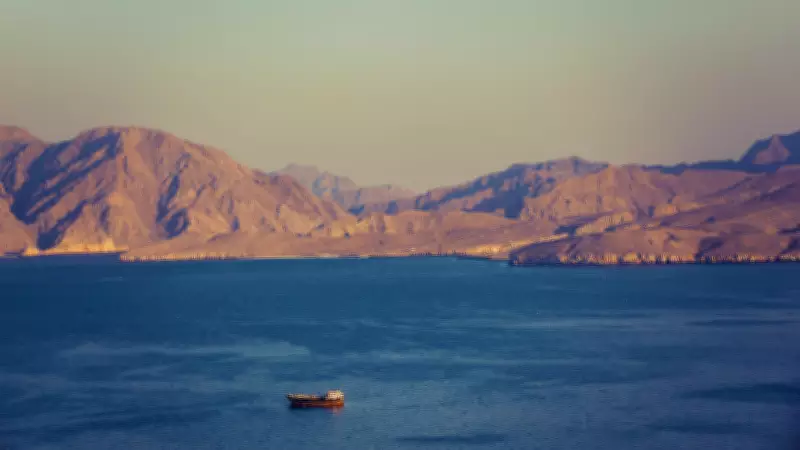
Often referred to as the "Norway of Arabia", the Musandam Peninsula is renowned for its stunning fjord-like inlets, known locally as khors. Jutting into the Strait of Hormuz, this peninsula forms one of the Middle East's most dramatic coastlines. The principal town, Khasab, serves as a gateway for travellers eager to embark on dhow cruises through narrow sea channels flanked by steep limestone cliffs. Dolphins are frequently spotted in these waters, adding to the allure of exploration by traditional wooden boats. In stark contrast to the bustling mega-cities of the Gulf, Musandam features:
- Quiet mountain villages steeped in history
- Ancient watchtowers that dot the landscape
- Scenic coastal drives that unveil the untamed beauty of the Arabian Peninsula
This region offers a peaceful retreat into nature, far removed from urban chaos.

Qeshm Island, Iran
Located just north of the Strait of Hormuz, Qeshm Island is the largest island in the Persian Gulf and boasts some of Iran's most unusual landscapes. It is home to geological wonders such as the Valley of Stars, where winds and erosion have carved fantastically shaped rocks that resemble alien terrains. Beyond this, the island features:
- Lush mangrove forests that support diverse ecosystems
- Intriguing caves and dramatic cliffs facing the Gulf
- Traditional fishing villages and vibrant bazaars that provide a glimpse into daily life along this historic maritime corridor
Despite its natural attractions, Qeshm remains relatively unknown to international travellers, making it a hidden gem for those seeking authentic experiences.
Hormuz Island, Iran
A short boat ride from the Iranian port city of Bandar Abbas leads to Hormuz Island, often called the "Rainbow Island" due to its vividly coloured mineral-rich soil. This surreal landscape is characterized by:
- Striking mountains in shades of red, orange, and yellow
- Salt caves that add to the otherworldly feel
- Red-sand beaches that create a painterly vista
Visitors can explore the ruins of a 16th-century Portuguese fort, a remnant of the island's historical significance as a strategic trading outpost. Despite its breathtaking beauty, Hormuz Island is one of the least visited places in the region, offering a unique escape for intrepid travellers.
Hengam Island, Iran
South of Qeshm lies Hengam Island, a tranquil getaway known for its clear waters and abundant marine life. This small island is particularly famous for dolphin sightings, which attract a modest number of visitors on boat trips from nearby Qeshm. Key highlights include:
- Small fishing villages where traditional lifestyles are preserved
- Colourful local markets selling handmade crafts, shells, and textiles
- An undeveloped coastline that offers a rare glimpse of the Persian Gulf before the advent of large-scale tourism
Hengam Island provides a serene environment for those looking to connect with nature and local culture.
Khasab Coastal Region, Oman
While the Musandam Peninsula as a whole is spectacular, the wider Khasab coastal region deserves special attention for its remote beaches and mountainous landscapes. From Khasab, travellers can:

- Venture deep into Musandam's fjords by traditional dhow
- Explore mountain roads that climb high above the Strait of Hormuz, offering panoramic views toward Iran
- Discover hidden coves, quiet fishing settlements, and rugged terrain that defy the typical desert imagery of the Gulf region
This area encapsulates the raw, untamed beauty that defines this part of the world.
Together, these five destinations reveal a side of the Strait of Hormuz that transcends its geopolitical narrative. They highlight a region defined by natural wonders, unique geology, and centuries-old maritime cultures, offering travellers an opportunity to explore beyond the well-trodden paths. Whether you're drawn to dramatic fjords, colourful landscapes, or tranquil islands, these hidden gems promise unforgettable experiences in one of the world's most intriguing corners.