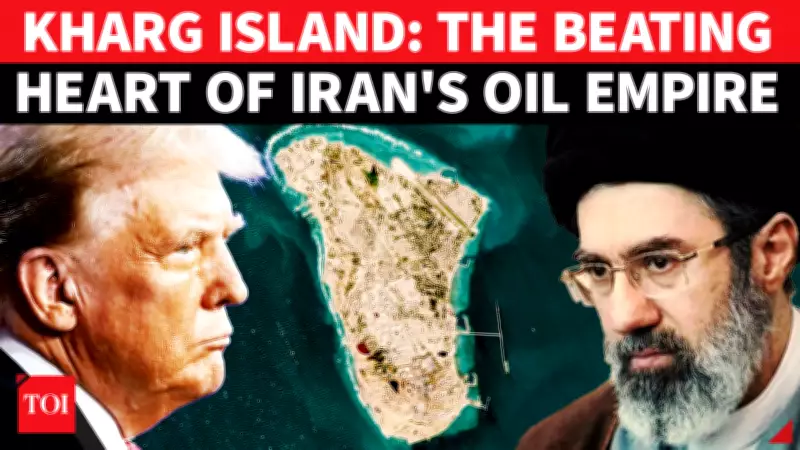
Iran's Kharg Island: The Strategic Epicenter of Gulf Oil Tensions
On March 14, 2026, the United States launched a significant military operation against Iran's Kharg Island, a critical but compact landmass spanning only 20 square kilometers. This island is not just a minor territory; it serves as the linchpin of Iran's oil economy, responsible for generating a staggering 90% of the nation's oil exports. The air raid targeted what many describe as the Gulf's beating heart, occurring against the backdrop of Iran's ongoing blockade of the Strait of Hormuz, a vital global oil supply route that sees millions of barrels transit daily.
The US Strike and Iran's Fiery Response
US President Donald Trump announced the strike, referring to Kharg Island as Tehran's "Crown Jewel." He emphasized that the raid was precision-targeted, focusing solely on Iran's military infrastructure while deliberately sparing the island's oil stations—a claim that Tehran has confirmed. However, Iran did not take this assault lightly. The nation issued a swift and fiery response, threatening revenge and hinting at potential retaliatory measures that could escalate tensions further in the region.
Why Kharg Island Matters
Kharg Island's significance cannot be overstated. Despite its small size, it is a forbidden island in strategic terms, housing extensive oil facilities that are crucial for Iran's economic survival. The island's location in the Persian Gulf makes it a key player in global energy markets, and any disruption here could have ripple effects worldwide. Iran's control over the Strait of Hormuz, coupled with its threats to set Gulf oil fields on fire, underscores the high stakes involved. This move is seen as a protective measure to safeguard Kharg Island from further attacks, leveraging the threat of oil field destruction as a deterrent against US aggression.

Broader Implications for Global Oil Security
The situation raises alarming concerns about global oil security. With Iran capable of disrupting oil flows through the Strait of Hormuz and potentially igniting oil fields in the Gulf, the world faces a precarious scenario. Such actions could lead to skyrocketing oil prices, economic instability, and heightened military conflicts. The US strike on Kharg Island has not only intensified geopolitical friction but also highlighted the fragile balance of power in one of the world's most oil-rich regions.
As tensions simmer, the international community watches closely, aware that any escalation could trigger a broader crisis affecting energy supplies and global peace. Iran's threats serve as a stark reminder of the interconnectedness of oil politics and military strategy in the Gulf.