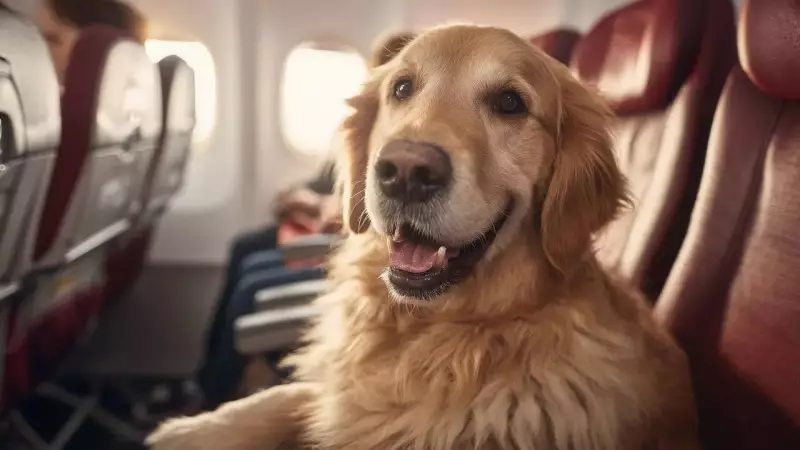
Flying with Your Pet in the Cabin: A Complete Preparation Guide
Taking your pet along in the airplane cabin can be an exciting experience. However, it demands careful attention to detail and thorough preparation. Missing even one crucial step might transform a potentially smooth journey into a stressful ordeal. Airlines enforce strict regulations for animals traveling in the cabin. While some carriers permit pets to accompany you, others do not. Fortunately, many airlines do allow small pets in the cabin. With proper planning, you and your furry companion can enjoy a comfortable flight together.
Key Considerations for Pet Travel
When traveling with a pet, advance planning is essential. Start by checking if the airline charges a fee for bringing your pet onboard. Policies and costs differ significantly between carriers. Next, ensure you have all necessary documents ready before arriving at the airport. Vaccination records, health certificates, and identification papers will help you avoid last-minute issues. Confirm whether your pet will fly in the cabin with you or in the cargo hold. This decision depends on airline regulations, your pet's size, and the aircraft type. Sorting out these details early makes the journey less stressful for both you and your pet.
Practical Tips for Cabin Travel with Pets
According to guidelines from the U.S. Department of Transportation, several useful tips can ensure a smooth and safe travel experience with your pet in the cabin. Following these recommendations helps create a comfortable and hassle-free trip for everyone involved.

Select an Airline-Approved Pet Carrier
Choosing the right carrier dramatically impacts the air travel experience. The carrier must fit under the seat in front of you. It should provide enough space for your pet to stand, turn around, and lie down comfortably. Soft-sided carriers are often preferred because they easily conform to confined spaces. A well-ventilated and secure pet carrier helps your animal feel safe throughout the journey.
Pick the Right Seat for Comfort and Safety
Your seat selection can make a difference. Reserving a window seat in advance allows your pet to accompany you with fewer disturbances from passing passengers. Avoid bulkhead seats, as pets are typically not permitted underneath them due to storage restrictions.
Monitor Feeding Before the Flight
Managing your pet's meal timing simplifies travel. Offer a light meal four to six hours before departure. If your pet seems thirsty, provide water, but avoid overfeeding.
Pack a Small Pet Travel Kit
Prepare for unexpected situations by assembling a travel kit. Essential items include treats, pee pads, wipes, collapsible bowls, and an extra copy of your documents.
Keep Your Pet Calm During Security Checks
Airport security lines can be intimidating for animals. During screening, your pet will usually be removed from its carrier so the carrier can be scanned. Use a leash to prevent escapes. Remaining calm yourself often helps your pet stay relaxed.
Understanding Airline Policies
Be aware that policies for pets and support animals may vary based on your specific circumstances. Airlines frequently have different requirements for documentation, seating, carriers, and cabin travel. You can find detailed information on airline websites. Checking these requirements before your flight ensures convenience and compliance.
Planning ahead always guarantees that both you and your pet arrive at your destination feeling relaxed and happy. This article has outlined what to expect, how to prepare, and ways to make cabin travel less stressful and safer for your beloved companion.