Denmark's Viking Legacy: A Journey Through Norse History
Denmark possesses an exceptionally rich Viking heritage that is visibly embedded across its landscape. From ancient forts and mysterious rune stones to solemn burial mounds, these sites collectively narrate the epic tales of legendary warriors, influential leaders, and intrepid seafarers who shaped Scandinavian history. Some locations buzz with vibrant energy, featuring bustling markets and meticulously reconstructed villages, while others offer tranquil, contemplative spaces that provide profound insights into daily existence from over a thousand years ago.
Walking among the weathered ruins or along the serene fjords, visitors can easily transport themselves back in time, imagining the distinctive creak of Viking longboats or the ambient sounds of ancient communities. For travelers with a deep interest in history, Denmark presents abundant opportunities to explore these remarkable sites and gain an authentic, immersive understanding of Viking life and culture.
10 Essential Viking Sites to Explore in Denmark
Viking Ship Museum in Roskilde

The Viking Ship Museum is strategically located on the picturesque Roskilde Fjord. It is renowned for housing five authentically reconstructed Viking longboats, crafted from actual shipwrecks discovered within the fjord's depths. Adventurous visitors have the unique opportunity to row one of these vessels, offering a physically engaging yet rewarding experience. Observing these wooden ships gracefully cutting through the calm waters allows one to vividly envision Vikings skillfully navigating the open seas centuries ago. Historical experts emphasize that the museum masterfully captures both the factual history and the adventurous spirit of Viking seafaring life. The peaceful fjord setting provides a striking contrast to the notoriously rugged and demanding existence led by the Norse people.
Rune Stones at Jelling
Jelling is frequently described as Denmark's historical birth certificate. The iconic rune stones erected here chronicle the story of King Harald Bluetooth and the pivotal introduction of Christianity to the region. Walking among these ancient monuments creates a powerful sensation of time folding in upon itself. Visitors can even attempt to decipher the runic alphabet themselves, engaging with the small, intricate letters and strange symbols. Many report finding it oddly satisfying to witness the visual form of this ancient language, connecting directly with Viking-era communication.
Ribe VikingeCenter
Ribe holds the distinction of being Denmark's oldest town, and its Viking Centre features a comprehensive, full-scale reconstruction of the original Viking marketplace. Guests wander through authentic wooden stalls, listen to captivating historical narratives, and often encounter interpreters dressed in complete Viking attire. The centre feels remarkably alive with historical atmosphere. The annual international Viking market is a major highlight, reportedly attracting enthusiasts and reenactors from across the globe, creating a vibrant, cross-cultural celebration of Norse heritage.
National Museum of Denmark in Copenhagen
Located in the capital city, the National Museum is an absolute must-see for any Viking history enthusiast. Its extensive collections include exquisite Viking jewellery, ancient coins, formidable weapons, and significant rune stones. Experts recommend this museum as an ideal starting point before venturing out to other historical sites across the country. While the indoor setting may seem quieter compared to open-air reconstructions, the treasures displayed within are utterly fascinating and provide crucial historical context.
Graves at Lindholm Høje
Lindholm Høje, situated near Aalborg, represents Scandinavia's largest known Viking burial ground. Approximately 700 graves are marked with distinctive stone rings and intricate patterns. Walking through this expansive site is a profoundly humbling experience. Archaeological experts note that the site's usage spans from the Iron Age well into the Viking period. The accompanying museum provides detailed explanations of Viking burial rituals and broader aspects of daily life, enriching the visitor's understanding.
Trelleborg Fortress

Trelleborg is an architecturally impressive ring fortress featuring a massive 134-meter-diameter defensive wall. Archaeological discoveries from the site are displayed in an adjacent museum, located next to a reconstructed castle structure. The summer months are considered the optimal time for a visit, as the seasonal Viking market truly brings the historical site to vibrant life. Both the formidable fortress and the lively market demonstrate how Viking society seamlessly integrated military defence with robust trade and community activities.
Ladby Viking Museum
Located south of Kerteminde on the island of Fyn, the Ladby Viking Museum is built around an authentic Viking burial mound. Excavations revealed a 20-meter-long Viking warship within, reportedly serving as the final resting place for a local chieftain alongside his personal treasures. Walking through the museum offers visitors a tangible sense of the ceremony, respect, and spiritual beliefs that surrounded Viking burial practices.
Fyrkat Viking Center
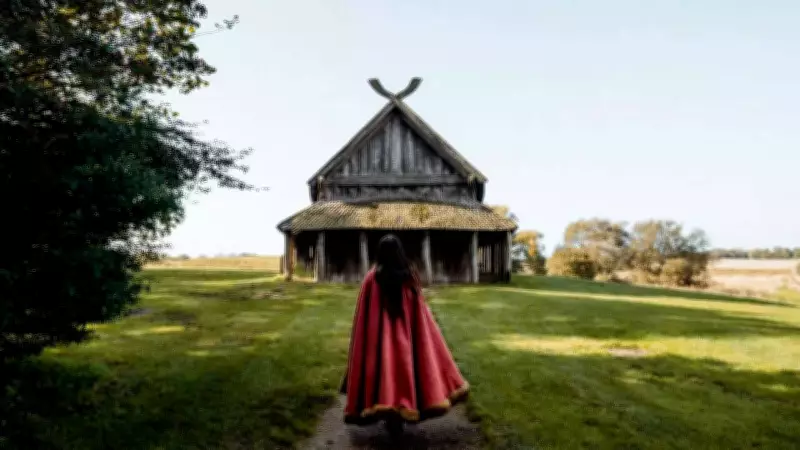
Fyrkat was originally a fortress constructed under the orders of King Harald Blåtand around 980 AD. The site features a reconstructed 28.5-meter Viking longhouse that illustrates how people lived within the fortress walls. Experts highlight that Fyrkat provides a rare and valuable glimpse into both the military and domestic aspects of Viking life. While the site might not appear overwhelmingly large at first glance, the scale and detail of the reconstruction are genuinely impressive upon closer inspection.
Aggersborg and Bork Viking Harbour
Aggersborg stands as the largest known Viking ring fortress. Its strategic ruins near Logstor were established by Harald Blåtand. Walking among the circular remains induces a feeling of time slowing down, connecting visitors directly with the past. Meanwhile, Bork Viking Harbour at Ringkobing Fjord showcases reconstructed ships and traditional houses. This site vividly demonstrates how Vikings lived, worked, and conducted trade. Reports indicate that children particularly enjoy the hands-on, interactive experiences available here.
Land of Legends and Viking Museum Aarhus
Land of Legends in Lejre operates as an expansive open-air archaeological museum. It features detailed reconstructions spanning the Stone Age, Iron Age, and Viking Age. Visitors can wander through an authentic Viking campsite one moment and explore Iron Age huts the next, offering a broad historical journey. In Aarhus, the dedicated Viking Museum delves into the ancient settlement of Aros, the city's direct Viking predecessor. Experts find it fascinating to observe how modern urban centres like Aarhus evolved from these early Viking roots, tracing a continuous line of habitation and development.