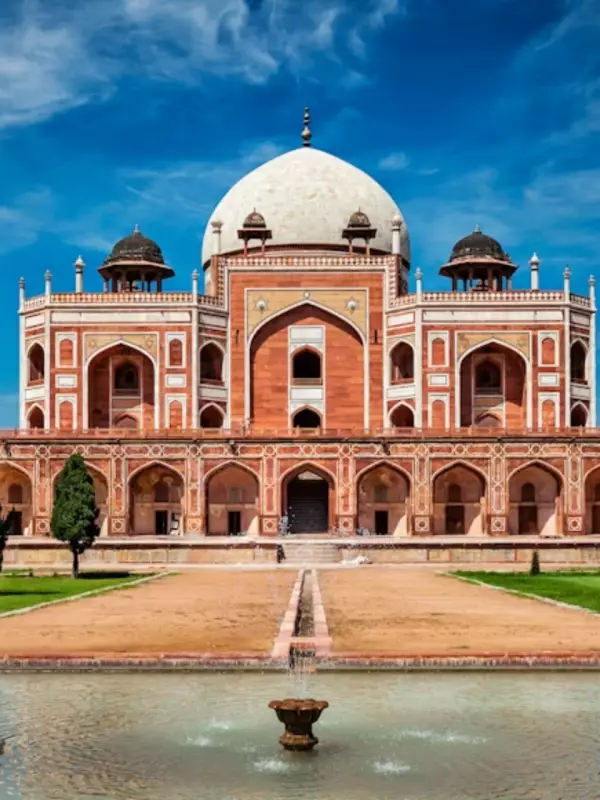
Delhi, a city steeped in layers of history, is often synonymous with iconic landmarks like the Red Fort, India Gate, and Humayun's Tomb. However, beyond these famous sites lies a treasure trove of lesser-known monuments, each whispering tales from a bygone era. For the curious traveler and the history enthusiast, exploring these hidden gems offers a unique and crowd-free glimpse into the capital's rich past.
Beyond the Beaten Path: Delhi's Secret Historical Sites
Venturing away from the usual tourist circuits reveals a different Delhi. These structures, often nestled in quiet neighborhoods or overlooked in parks, stand as silent witnesses to the city's many transformations. They represent the architectural and cultural influences of various dynasties that have ruled from here.
Exploring these sites is not just about sightseeing; it's an act of discovery. It connects you intimately with the city's soul, away from the hustle and bustle. Here are eight such remarkable yet under-explored monuments that deserve a spot on your Delhi itinerary.

1. The Enigmatic Khair-ul-Manazil Mosque
Located directly opposite the imposing Purana Qila (Old Fort) on Mathura Road, the Khair-ul-Manazil mosque is a stunning example of Mughal architecture from the 16th century. Historical records indicate it was built in 1561 AD by Maham Anga, the foster mother of Emperor Akbar. The mosque's name translates to 'the most auspicious of houses,' and its grand gateway and intricate designs are a testament to the era's craftsmanship.
2. The Serene Tomb of Azim Khan
Tucked away near the busy Sunder Nursery, the Tomb of Azim Khan offers a peaceful retreat. This 17th-century monument is believed to be the resting place of a nobleman from the court of Mughal Emperor Shah Jahan. The structure, though partially in ruins, showcases the classic Mughal architectural style with its domed roof and arched entrances, set amidst lush greenery.
3. The Historic Chaumachi Khan's Tomb
Situated in the Nizamuddin West area, Chaumachi Khan's Tomb is another Mughal-era marvel. It dates back to the reign of Emperor Akbar and is dedicated to a nobleman in his court. The tomb is notable for its octagonal shape and detailed stonework, representing a transitional phase in Indo-Islamic architecture.
4. The Picturesque Tomb of Khan-i-Khanan
Found within the premises of the Humayun's Tomb complex in Nizamuddin, this is the mausoleum of Abdul Rahim Khan-i-Khanan, one of the 'Navratnas' (nine jewels) in Akbar's court. A renowned poet and scholar, his tomb, built in 1598 AD, is architecturally significant. It is said that materials from this very tomb were later used in the construction of Safdarjung's Tomb.
5. The Grand Mausoleum of Shishtod
This lesser-known group of tombs is located in the Shishtod village near Mehrauli. The site houses several tombs from the Lodi period (15th-16th century). These structures, with their distinctive domes and pillars, offer a fantastic example of the architectural style that predated the Mughals, making it a crucial site for understanding Delhi's architectural evolution.
6. The Architectural Wonder of Dadi Poti ka Maqbara
Translated as the 'Tomb of the Grandmother and Granddaughter,' this unique monument stands in the Nizamuddin area. While the identities of those buried here are unclear, the tomb is famous for its double-domed structure, which is quite rare. The intricate jaali (lattice) work and the overall design make it a fascinating spot for architecture buffs.
7. The Scenic Hijron ka Khanqah
In the lush green landscape of Mehrauli, near the Qutub Minar, lies Hijron ka Khanqah. This is a religious complex and cemetery believed to be dedicated to a community of spiritual figures. The white-domed structures and the tranquil atmosphere provide a stark, serene contrast to the nearby bustling tourist hotspot.

8. The Ancient Rajon ki Baoli
While stepwells (baolis) are more commonly associated with Gujarat or Rajasthan, Delhi has its own hidden gem. Rajon ki Baoli, located in the Mehrauli Archaeological Park, is a magnificent three-storeyed stepwell. Built during the Lodi period in the early 16th century, it served as a water reservoir and a cool gathering place. The adjoining mosque and tomb add to the site's historical value.
Why You Should Explore Delhi's Hidden Heritage
Visiting these lesser-known monuments in Delhi is more than just ticking off a list. It is an immersive experience that allows for quiet contemplation and a deeper connection with history. These sites are often free to visit or have a minimal entry fee, making them accessible. They provide fantastic opportunities for photography, heritage walks, and simply escaping the city's relentless pace.
Each monument, with its unique story and architectural nuance, adds a piece to the grand puzzle of Delhi's identity. From the Mughal splendour of Khair-ul-Manazil to the Lodi-era grandeur of Rajon ki Baoli, this journey through time showcases the city's incredible diversity. So, the next time you plan a day out in the capital, skip the long queues and discover the profound beauty and history waiting quietly in its corners.