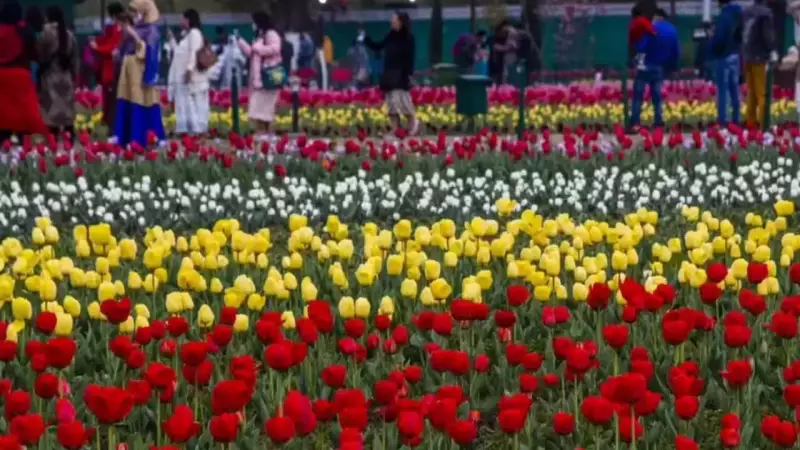
Delhi's winters, typically painted in shades of grey fog and muted tones, are set for a spectacular burst of colour. In a significant civic initiative, the New Delhi Municipal Council (NDMC) has embarked on a mission to transform the heart of the capital into a vibrant winter garden. The project, which commenced on December 27, involves the plantation of more than 2.6 lakh tulip bulbs across the iconic Lutyens' Delhi area.
Lutyens' Delhi Set for a Colourful Metamorphosis
Announced by NDMC Vice Chairperson Kuljeet Singh Chahal, this drive is more than a routine beautification effort; it's a conscious attempt to alter the city's winter experience. The historic precinct, known for its wide roads, colonial-era buildings, and expansive green cover, is being turned into an extended tulip trail. The flowers are being strategically planted around roundabouts, in parks, on central verges, and near important religious sites.
This initiative leverages the unique nature of tulips, which are a seasonal event in themselves. Unlike flowers that bloom sporadically, tulips burst into colour simultaneously, creating a dramatic and fleeting spectacle. Their blooming period in January and February is set to inject vivid hues into Delhi's otherwise drab winter landscape, creating a sense of anticipation among residents and visitors alike.

Dutch Blooms for a Delhi Winter
The scale of this floral project is underscored by its international sourcing. To ensure quality and vibrant blooms, the NDMC has imported tulip bulbs from the Netherlands, a global leader in tulip cultivation. In the current season, a total of 5.17 lakh Dutch bulbs have been brought to Delhi. Out of these, 3.25 lakh bulbs have been allocated to the NDMC for the Lutyens' project, while the remaining 1.92 lakh bulbs are with the Delhi Development Authority for other areas.
This connection to Dutch horticulture symbolically links Delhi's winter scenery to the famed tulip gardens of Europe. A special focus of the plantation is on areas around places of worship and pedestrian zones, integrating the floral display into the daily rhythm of city life. As the tulips unfurl, temples, churches, and public spaces are expected to take on a festive appearance, offering a unique blend of spirituality, culture, and natural beauty.
Sparking a New Wave of Floral Tourism
The environmental benefits of adding greenery are complemented by a strong experiential vision. The primary impact of this initiative is to redefine how Delhi is perceived and enjoyed during the winter months. The tulips will bloom at a time when most other foliage is sparse, providing a much-needed splash of colour. This transformation is designed to encourage walking, photography, and a slower, more appreciative exploration of the city's central heritage zone.
This large-scale cultivation marks a bold step towards establishing floral tourism in the national capital. While Delhi has always adapted to its climate, the concept of seasonal travel experiences centred on flowers is now being actively promoted. The winter tulip trail has the potential to evolve into a major annual attraction, drawing both locals and tourists to witness the capital in a new, colourful avatar.
As the new year begins, the bulbs are nestled underground, awaiting their moment. By January 2026, they promise to blanket parts of Delhi in a decorative and joyful hue. In a season traditionally associated with monochrome skies, Delhi is decisively choosing to bloom, inviting everyone to pause and appreciate this carefully crafted winter wonderland.