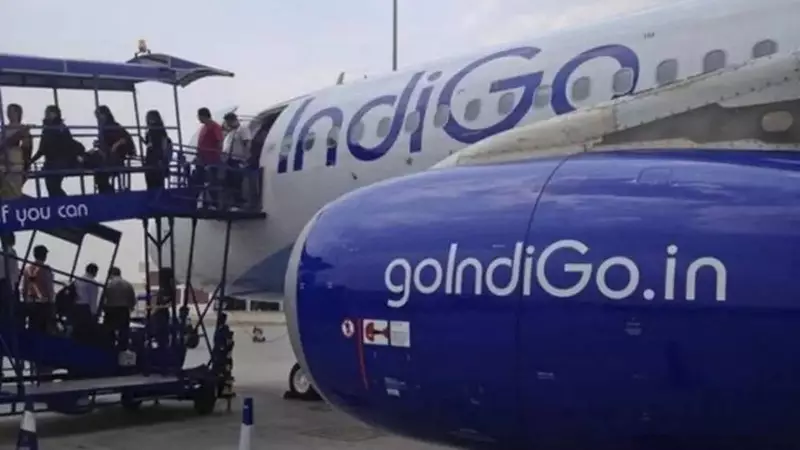
Operations at Delhi's Indira Gandhi International (IGI) Airport were thrown into disarray as dense fog blanketed the national capital region, leading to massive disruptions in air travel. The severe weather conditions resulted in a significant number of flight cancellations and diversions, leaving thousands of passengers stranded and frustrated.
Widespread Flight Disruptions and Cancellations
According to data from the airport, a staggering 128 flights were cancelled throughout the day. The cancellations affected both domestic and international routes, with major Indian carriers like IndiGo, Air India, and SpiceJet bearing the brunt of the operational nightmare. In addition to the cancellations, the low visibility forced eight flights to be diverted to alternative airports. These diversions were a necessary safety measure as pilots were unable to execute safe landings under the prevailing near-zero visibility conditions.
Passenger Plight and Airline Advisories
The terminal buildings at IGI Airport presented a scene of chaos and long queues. Passengers, many of whom had arrived hours early for their journeys, were seen waiting anxiously for updates from airline counters. The uncertainty led to crowded waiting areas and complaints about a lack of timely information. In response to the crisis, several airlines proactively issued travel advisories, urging passengers to check their flight status before heading to the airport. They also highlighted their flexible re-booking and cancellation policies to accommodate affected travelers.

The disruptions were not confined to departures alone. Numerous incoming flights were also heavily delayed, creating a cascading effect on the airport's schedule for the entire day. The situation underscored the vulnerability of air travel to extreme weather events, especially during the winter months in North India.
Operational Challenges and Safety Protocols
The primary culprit behind the travel havoc was the dense fog, which drastically reduced visibility on the runways. For safe operations, aviation regulations mandate a minimum visibility threshold for take-offs and landings. When visibility falls below this critical level, flights cannot operate, leading to delays, cancellations, and diversions. Airport authorities and the Air Traffic Control (ATC) worked in coordination to manage the situation, prioritizing passenger safety above all else.
While Delhi airport is equipped with advanced landing systems like the CAT III-B Instrument Landing System (ILS), which allows landings in visibility as low as 50 meters, not all aircraft and pilots are certified to use this technology. This limitation, combined with the intensity of the fog, contributed to the scale of the disruptions.
The incident serves as a stark reminder of the impact of seasonal weather on India's aviation infrastructure. It highlights the need for passengers to factor in potential weather-related delays when planning winter travel, especially through hubs in North India. Airlines and airport operators continue to face the challenge of balancing safety with minimizing inconvenience during such frequent foggy episodes.