In the heart of the Andaman Sea, where most envision pristine beaches and coral reefs, lies a geological marvel that defies expectations. Barren Island, the only active volcano in the entire Indian subcontinent, rises dramatically from the ocean, presenting a stark, untamed contrast to the region's idyllic shores. While travelers flock to the Andamans for white sands and turquoise waters, this volcanic outpost draws scientists, filmmakers, and adventurous souls with its raw power and unique ecosystem.
The Volcanic Majesty of Barren Island
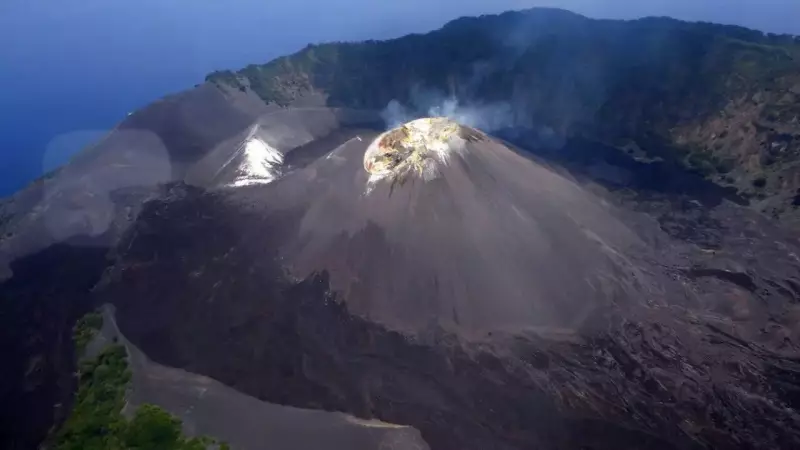
Located approximately 140 kilometers northeast of Port Blair, Barren Island is a small yet formidable volcanic formation with no permanent human settlement. Its origins trace back centuries of basaltic lava and ash eruptions, shaping peaks that rise about 354 meters above sea level and extend roughly 2,250 meters from the ocean floor. This island is part of a volcanic arc resulting from the compression of tectonic plates beneath the Bay of Bengal.
Historical records indicate Barren Island began its eruptive activity in 1787, with a notable resurgence in 1991 after a period of dormancy. Today, its landscape appears almost alien—blackened surfaces, ash deposits, and occasional smoke plumes create a science fiction-esque vista. Due to strict regulations, landing on the island is prohibited, but its awe-inspiring presence can be witnessed from nearby waters.

A Thriving Marine Ecosystem Amidst Volcanic Fury
One of Barren Island's most remarkable features is the vibrant marine life that flourishes in its surrounding waters. Despite the destruction above, coral reefs, reef fish, and diverse marine species thrive in the nutrient-rich environment. Seabirds, bats, and rodents inhabit the island's rugged terrain, showcasing a delicate balance where life persists alongside volcanic activity.
This theme of coexistence is beautifully captured in the documentary Barren Island: Born of Fire by Roundglass Sustain, which highlights coral growth around cooled lava flows and birds soaring over peaks. The film underscores how fire and life maintain an extraordinary equilibrium in this volatile setting.
Visiting Barren Island: Permits, Precautions, and Planning
Exploring Barren Island requires meticulous planning and government permits, as landing is strictly forbidden. Most visits involve boat tours from Havelock Island, with trips lasting 4 to 8 hours. Early morning departures around 3 or 4 a.m. are recommended for calmer seas and better visibility. Private charters typically cost between INR 1,00,000 and 1,50,000 for groups of 4 to 8 adults, while shared trips often include permits, meals, and guided activities.
Safety Measures and Volcanic Activity
Safety is paramount for excursions to Barren Island. Boats operating in the area are equipped with advanced gear like life jackets, GPS systems, first-aid kits, and VHF communication. Twin-engine vessels ensure comfort and reliability during the journey. While recent volcanic activity has been minor—primarily ash emissions with low intensity on the Volcanic Explosivity Scale—guides provide essential information and adhere to strict safety protocols.
Other Volcanic Sites in the Andaman Region
Barren Island is not alone in showcasing the Andamans' geological diversity. Nearby Baratang Island features mud volcanoes that create ever-shifting landscapes due to gas and sediment emissions. Farther north, Narcondam Island—a dormant volcano—remains largely off-limits to protect its fragile ecology and rare species like the Narcondam Hornbill. Together, these sites reveal that the Andamans are more than a beach destination; they are a chain of islands shaped by tectonic forces, isolation, and natural extremes.
For those willing to navigate permits and weather-dependent conditions, a visit to Barren Island offers a profound journey into nature's resilience. Witnessing this volatile wonder from a safe distance provides a unique perspective on the dynamic forces that continue to shape the Indian Ocean, reminding us of Earth's enduring power and beauty.