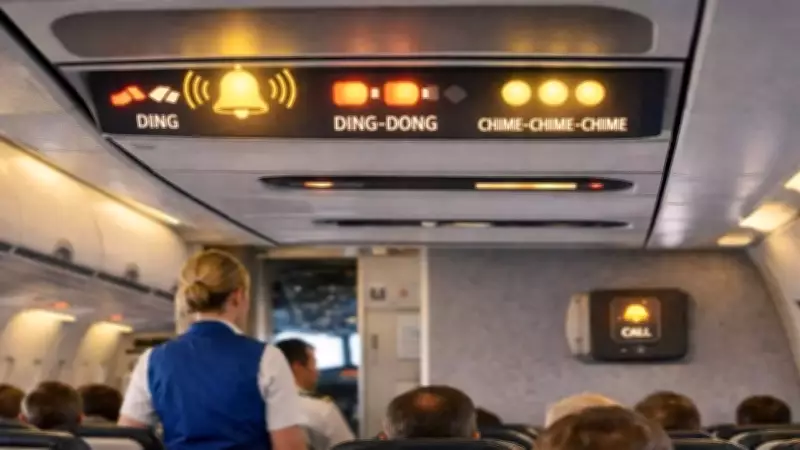
Anyone who has traveled by air has undoubtedly heard it at least once. The serene cabin atmosphere is suddenly punctuated by a brief "ding" sound that seems to emanate from nowhere. This auditory signal occurs at various stages of a journey—shortly after take-off, during the mid-flight phase, or just before landing.
The Mystery of the Airplane Chime
For countless passengers, this sound carries an air of mystery. Some travelers speculate it might be a warning or an alert related to the aircraft's operations. Others, having grown accustomed to its frequent occurrence, simply dismiss it as background noise. In reality, this familiar chime is an integral part of a discreet communication system employed within airplanes.
These sounds enable pilots and flight attendants to coordinate activities seamlessly throughout the flight, eliminating the need for constant public announcements that could disrupt passenger comfort.

Regulatory Guidance on Chime Usage
According to guidelines established by the Federal Aviation Administration, aircraft crews receive specialized training to utilize flight-deck and cabin chimes, along with interphone signals. This protocol facilitates routine communication between pilots and cabin crew members during both normal operations and emergency situations.
Why Chimes Are Essential for Aircraft Communication
In the aviation environment, communication must be both rapid and efficient. With flight crew members distributed across different sections of the cabin and pilots stationed in the cockpit, airlines have adopted sound-based signals for instantaneous communication.
The short chime serves as a coded message between the cockpit and the cabin crew. Instead of broadcasting information over a speaker system, pilots can transmit a chime to notify crew members of changing circumstances. This approach maintains a tranquil atmosphere for passengers while ensuring all personnel remain informed.
The chime's volume is carefully calibrated—sufficiently audible to be heard throughout the cabin yet gentle enough to avoid causing alarm among travelers.
Decoding the Single Chime
The most commonly heard sound during flights is a solitary "ding." Passengers frequently encounter this chime when the seatbelt sign activates or deactivates. For instance, shortly after take-off, the captain typically switches off the seatbelt sign once the aircraft attains a safe cruising altitude. The accompanying chime alerts passengers to this change, indicating they may move about the cabin if desired.
Another trigger for the single chime is the passenger call button. When an individual presses the button above their seat to request assistance, a light illuminates above the seat, and a brief sound alerts flight attendants to the request. In most instances, a single chime simply reflects routine cabin activity rather than signaling any extraordinary event.
Interpreting the Double Chime
A two-tone chime, often perceived as "ding-dong," typically signifies a transition in flight phases. This sound frequently indicates altitude changes or shifts between different stages of the journey. For example, when the aircraft ascends beyond a specific altitude after take-off, the cockpit might employ two chimes to inform the crew that passenger service may commence.
This auditory cue commonly authorizes crew members to stand and begin distributing food and beverages. Similarly, during descent toward the destination, two chimes often signal the crew to initiate cabin securing procedures and landing preparations.
Understanding Repeated Chimes
On certain occasions, passengers might hear multiple chimes occurring in rapid succession. This pattern generally serves to capture the cabin crew's immediate attention regarding specific matters. For instance, pilots might utilize several chimes to alert attendants about impending turbulence. In such scenarios, crew members typically suspend service activities and prepare to manage the turbulent conditions before they affect the aircraft.

However, it is crucial to recognize that not all instances of multiple chimes indicate operational concerns. Different airlines implement varied internal communication systems, and many such alerts pertain exclusively to crew procedures. While passengers may notice these sounds, they are primarily intended for the aircraft's operating personnel.
The Silent System Ensuring Smooth Flights
Although these chimes might appear mysterious, they constitute merely one component of the aircraft's internal communication language. This series of auditory signals enables pilots and flight attendants to collaborate effectively without disturbing others onboard. From seatbelt reminders to meal service notifications, these subtle chimes collectively contribute to a seamless flight experience.
So, the next time you hear that familiar "ding" while cruising at 35,000 feet, there is generally little cause for concern. It represents just one element among numerous discreet systems operating behind the scenes to ensure your journey remains both smooth and secure.