5 National Parks in India That Are Part of Iconic Elephant Reserves
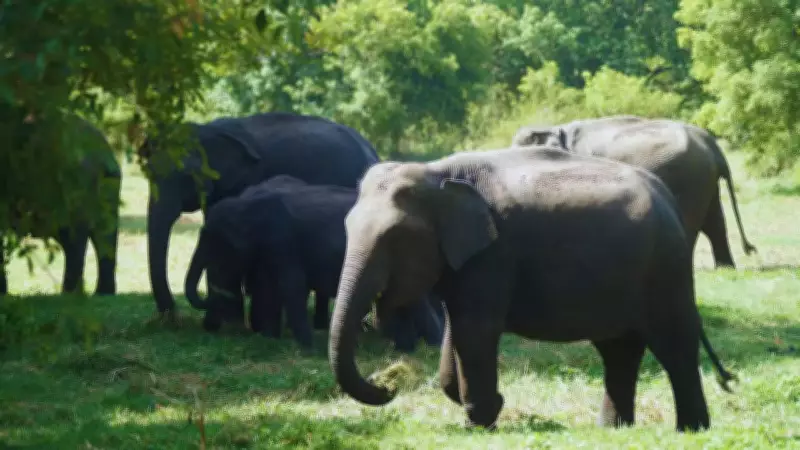
India's majestic wild elephants do not confine themselves to neatly drawn park boundaries. These magnificent creatures traverse vast expanses of forests, grasslands, river valleys, and even human-altered landscapes, following ancient migration routes that have existed for centuries. To safeguard these extensive movements and ensure their long-term survival, India established Elephant Reserves under the landmark Project Elephant initiative. These reserves represent large conservation landscapes that typically encompass multiple national parks, wildlife sanctuaries, and reserve forests, creating interconnected habitats essential for elephant populations.
For travelers and wildlife enthusiasts, visiting these national parks offers more than just a tourist attraction—it provides a window into conservation efforts operating on an impressive scale. Here, wildlife roams with remarkable freedom, and nature's rhythms unfold beyond human-imposed boundaries, delivering experiences that are simultaneously thrilling, humbling, and utterly unforgettable.
Bandipur National Park – Nilgiri Elephant Reserve
Bandipur National Park serves as an integral component of the Nilgiri Elephant Reserve, which holds the distinction of being India's first and largest elephant reserve. Located in the southern state of Karnataka, Bandipur's landscape of dry deciduous forests and river valleys creates an ideal habitat for substantial elephant herds. The park is particularly renowned for offering exceptional wildlife viewing opportunities, where visitors can frequently observe these gentle giants in their natural environment.

Tourists embarking on safaris in Bandipur often witness spectacular scenes: large elephant herds crossing roads, gathering at waterholes for refreshment, or resting peacefully in open clearings. The park's accessibility and reliable elephant sightings make it a premier destination for those seeking authentic wildlife encounters in southern India.
Nagarhole National Park – Mysore Elephant Reserve
Nagarhole National Park forms a vital part of the Mysore Elephant Reserve, playing a crucial role in the elephant conservation network of southern India. Characterized by its dense forests and winding rivers, Nagarhole supports one of the highest elephant densities found anywhere in the country throughout the year. Safari excursions through this park take visitors deep into thick vegetation where elephants might suddenly appear at remarkably close range.
The riverbanks within Nagarhole serve as particularly rewarding observation points, where elephant herds regularly congregate to cool off or feed. These moments create powerful, lasting memories for visitors fortunate enough to witness them.
Mudumalai National Park – Nilgiri Elephant Reserve
Strategically positioned at the tri-junction of Tamil Nadu, Karnataka, and Kerala, Mudumalai National Park represents another essential component of the Nilgiri Elephant Reserve. This park functions not only as prime elephant habitat but also as a critical migration corridor, resulting in constant and dynamic elephant movements throughout the area. Travelers frequently encounter elephants crossing forest roads or moving between forest patches in organized family groups.
Mudumalai's diverse terrain—encompassing grasslands, riverine forests, and scrub vegetation—ensures that elephant sightings can vary dramatically, from distant panoramic views to sudden, close-range encounters that highlight the park's wild character.
Similipal National Park – Mayurbhanj Elephant Reserve
Similipal National Park constitutes a key element of the Mayurbhanj Elephant Reserve in Odisha, representing one of eastern India's most significant elephant landscapes. Unlike more crowded national parks in central India, Similipal presents a vast, rugged, and relatively unexplored wilderness experience. Elephant herds here traverse considerable distances through sal forests, past waterfalls, and across hilltops within the park's extensive boundaries.
While elephant safaris in Similipal might feel more remote and less refined than in some other parks, they offer genuine glimpses into the lives of elephant herds in an environment that remains largely undisturbed by mass tourism pressures.

Kaziranga National Park – Kaziranga-Karbi Anglong Elephant Reserve
Kaziranga National Park serves as a vital segment of the Kaziranga-Karbi-Anglong Elephant Reserve in Assam. Situated within the Brahmaputra River floodplains, this reserve facilitates seasonal elephant migrations from higher grounds to the lush grasslands below. Elephant spotting in Kaziranga proves particularly thrilling as these magnificent animals navigate through tall elephant grass or traverse floodplains that transform dramatically during monsoon seasons.
For visitors, the experience of observing elephants in Kaziranga's unique ecosystem is nothing short of fascinating, combining breathtaking scenery with extraordinary wildlife viewing opportunities that highlight the interconnectedness of India's elephant conservation efforts.