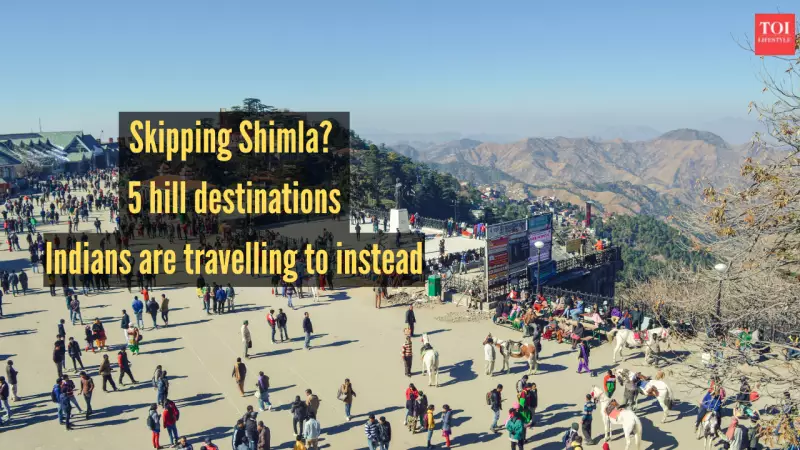
As the winter travel season hits its peak in January 2026, the iconic hill station of Shimla is buckling under the pressure of mass tourism. Visitors are facing kilometres-long traffic jams, a complete lack of hotel vacancies, and overcrowded public spaces, turning a dream mountain holiday into a stressful ordeal. For a significant number of Indian travellers, the allure of the mountains remains, but the desire to escape suffocating crowds is leading them off the beaten path.
The Search for Serenity Beyond Shimla
Rather than stubbornly braving the chaos of Shimla, tourists are now actively seeking out alternative destinations that offer the same charming winter atmosphere—crisp climate, winding forest trails, and snow-dusted landscapes—but without the incessant honking and long waits. This shift in preference is highlighting several beautiful, under-the-radar locations across Himachal Pradesh and Uttarakhand that promise peace and natural beauty.
Here are five emerging hill destinations that are becoming the preferred choice for Indians looking to swap crowds for calm.

1. Narkanda, Himachal Pradesh
Narkanda stands as a major and convenient alternative located just a few hours' drive from Shimla. Nestled within dense forests and sprawling apple orchards, it offers breathtaking views of snow-capped peaks without the infamous traffic congestion of its more famous neighbour. The area around Hatu Peak is particularly favoured by tourists seeking pristine natural vistas, a stark contrast to the packed Mall Road in Shimla. A key factor preserving Narkanda's tranquillity is the limited availability of hotels, which naturally restricts mass tourism and keeps the experience intimate.
2. Chakrata, Uttarakhand
Increasingly popular with travellers from Delhi and the NCR, Chakrata provides a perfect escape from the commercialised hill station circuit. This serene cantonment town has retained its old-world charm due to strict regulations that prevent unchecked development. Visitors are drawn to its peaceful pine forests, intriguing rock formations, and pleasant climate. Unlike Shimla, you won't find crowded promenades here; instead, Chakrata offers steep, quiet roads, cosy homestays, and the priceless commodity of miles of silence.
3. Tirthan Valley, Himachal Pradesh
While Shimla grapples with overcrowding, Tirthan Valley attracts those in pursuit of pure, unadulterated nature. Situated near the boundary of the Great Himalayan National Park, this destination is renowned for its crystal-clear river, lush forests, and a notable absence of tourist hordes. It has become a favourite among families and couples looking for scenic spots that offer genuine relaxation, free from the stress of long queues and congested parking. Even during peak tourist periods, Tirthan Valley manages to maintain a feeling of spaciousness and solitude.
4. Shoja, Himachal Pradesh
Shoja has rapidly gained popularity among travellers who would typically opt for a short break in Shimla. This quaint village, located on the route to the Jalori Pass, provides picture-perfect panoramas of the Himalayan range and snow-laden forests in winter. Shoja deliberately lacks large markets or major tourist attractions. Its appeal lies in slow-paced mornings, cosy evenings by the fireplace, and uninterrupted mountain views. Its growing fame is directly attributed to the very things Shimla lacks in peak season: ample space, profound quiet, and beautiful simplicity.
5. Munsiyari, Uttarakhand
For the more adventurous traveller willing to venture further, Munsiyari has emerged as a spectacular alternative. Dubbed the 'Little Kashmir,' it is famed for its stunning views of the Panchachuli peaks. This destination attracts domestic tourists seeking snowy adventures, cool mountain air, and vast, open landscapes—all without the backdrop of congested streets. While tourism in Munsiyari is on the rise, it remains significantly less developed and crowded compared to Shimla, which is precisely its current advantage for visitors craving an authentic experience.

Embracing the Road Less Travelled
The trend is clear: Indian tourists in 2026 are becoming more intentional about their travel choices. The fatigue from overcrowded destinations like Shimla is driving a demand for experiences that are peaceful, sustainable, and closer to nature. These five alternatives—Narkanda, Chakrata, Tirthan Valley, Shoja, and Munsiyari—are successfully filling that gap, offering the magic of the hills without the madness. This shift not only enhances the traveller's experience but also helps in dispersing tourism and reducing pressure on any single location.