The 2026 Wanderlist: Five Cities That Unfold Their Hidden Charms on Foot
In an era where travel increasingly prioritizes depth over distance, exploring a city on foot emerges as a surprisingly bold and immersive choice. Walking these urban landscapes is not about hastily checking off landmarks from a tourist list. Instead, it represents a deliberate shift toward immersion over efficiency and curiosity over control. By slowing down and following a city's natural rhythm, travelers can notice subtle details—how neighborhoods seamlessly blend, how food scents evolve from street to street, and how history whispers from doorways and cobblestone paths.
For 2026, we highlight five cities, each with its own unique pace and character, that are best savored slowly and on foot. These destinations reward those who embrace a leisurely approach, revealing secrets that might otherwise remain hidden to hurried visitors.
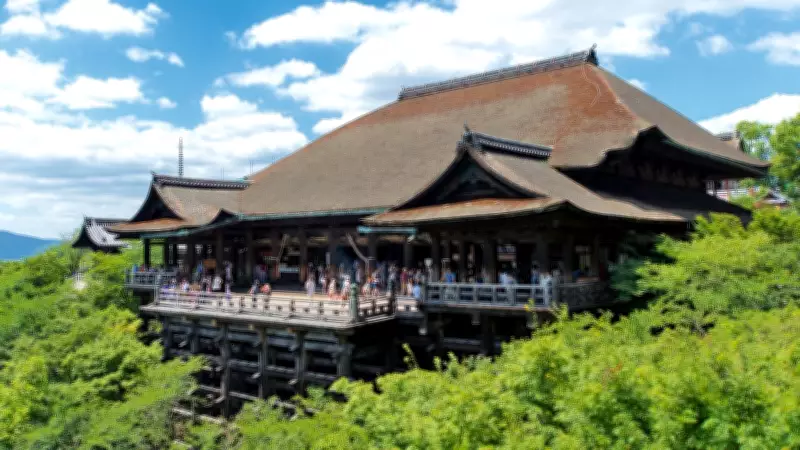
Kyoto, Japan
Kyoto reveals its beauty gradually, often hiding its most enchanting aspects from casual observers. Walking through this ancient city allows for a piece-by-piece discovery of its serene allure. From the temple-lined streets of Higashiyama to the tranquil Philosopher's Path, Kyoto generously rewards those who take their time. As you meander between historic shrines, traditional wooden houses, and meticulously maintained gardens, you witness the profound connection between spirituality and everyday life. In Kyoto, walking is an exercise in mindfulness—it's about paying close attention to your surroundings rather than covering vast distances.

Lisbon, Portugal
Built across seven hills, Lisbon might initially seem challenging for walkers, but it is precisely these ascents and descents that make the experience unforgettable. On foot, you navigate through vibrant tiled façades, scenic miradouros (viewpoints), and the charming rattle of old trams passing by. Neighborhoods like Alfama, where laundry lines crisscross the sky, come alive with character. Walking unveils Lisbon's layered history—a rich tapestry of Moorish, maritime, and modern influences—all bound together by saudade, a quiet, aching nostalgia that feels most poignant when you move at an unhurried pace.
Istanbul, Turkey
Few cities reward pedestrian exploration as richly as Istanbul, where continents, cultures, and centuries converge in a dynamic mosaic. Crossing neighborhoods on foot—from the historic core of Sultanahmet to the lively streets of Beyoğlu—you traverse Roman ruins, majestic Ottoman mosques, bustling bazaars, and contemporary cafés humming with modern life. Walking here makes the city's inherent contradictions feel natural: the sacred coexists with the everyday, and ancient history stands alongside the restless present. Istanbul is a city that explains itself most eloquently to those who wander without a strict agenda.
Buenos Aires, Argentina
Buenos Aires is inherently designed for walking, with its wide pavements, leafy streets, and vibrant café culture inviting long strolls and spontaneous pauses. Exploring districts like Palermo, San Telmo, or Recoleta on foot allows you to sense the city's unique blend of European elegance and Latin American intensity. Street art, independent bookshops, and late-night conversations spill into public spaces, creating an atmosphere of continuous engagement. On foot, Buenos Aires transforms from a mere destination into an ongoing, lively dialogue with its surroundings.
Copenhagen, Denmark
Designed with pedestrians and cyclists in mind, Copenhagen offers an effortlessly walkable urban experience. Its neighborhoods are compact, streets are intuitively laid out, and water features are never far away. Walking through the city—past picturesque canals, minimalist architecture, historic districts, and contemporary design hubs—provides insight into why quality of life is central to Danish culture. Copenhagen doesn't rush you; instead, it quietly encourages you to slow down, stay present, and appreciate the thoughtful design that makes everyday life a pleasure.