For many travellers, the most cherished souvenir isn't a magnet or a t-shirt, but a flavour. A personal experience from a recent trip to Tbilisi, Georgia, perfectly illustrates a major shift. Just a five-minute stroll from the city's iconic Liberty Square lies Asureti Eco Shop, a tiny basement store brimming with churchkela (a traditional sweet on a stick), candied fruits, spices, and preserves. The air is thick with intoxicating aromas.
Through gestures and Google Translate, the owner, who speaks no English, revealed her secret: a nameless, versatile spice mix of her own creation. Buying a jar meant carrying the essence of Tbilisi home, where it now transforms everyday meals like sautéed mushrooms and steamed vegetables, instantly evoking memories of that little shop.
This act of bringing back edible memories is part of a much larger movement. Inadvertently, this traveller became part of a burgeoning trend set to define travel in 2026: grocery tourism. This trend is just one of several identified by industry leaders, pointing towards a future where journeys are deeply personal forms of self-expression.

The Rise of Intentional and Experiential Travel
Industry reports unanimously highlight a move away from generic getaways. "Travel is shifting from a simple getaway to a form of self-expression," says Santosh Kumar, Booking.com's regional manager for South Asia. Their 2026 predictions, titled 'The Era of You', emphasise journeys built around personal passions.
Karan Agarwal, director of Cox & Kings, notes a deeper shift. "Looking ahead to 2026, early signals point to a deeper shift towards slower, more meaningful travel," he states. He predicts strong growth in cultural and wellness circuits within India, wildlife itineraries, and visa-friendly international spots. Indian travellers are expected to travel fewer times but stay longer and spend more per trip, valuing experience over mere affordability.
Top Travel Trends Defining 2026
The landscape for 2026 is shaped by several key, interconnected trends that cater to the individual's desire for unique, immersive experiences.
Grocery Tourism: Bringing Flavours Home
Also called 'shelf-ie souvenirs' or 'trolley tourism', this trend sees travellers extending their culinary adventures by bringing pantry items back. It's a cultural deep dive and a budget-friendly hack. Skyscanner's Travel Trends '26 report notes that almost 4 out of 5 Indian travellers often visit local supermarkets abroad.
It goes beyond food. Booking.com found that 84% of Indian travellers would consider buying design-led kitchenware on vacation, like hand-painted spice jars or artisan olive oil tins that double as decor. The motivation ranges from reliving memories to appreciating local craft and aesthetics for social media.
Bookish Breaks and Romantasy Retreats
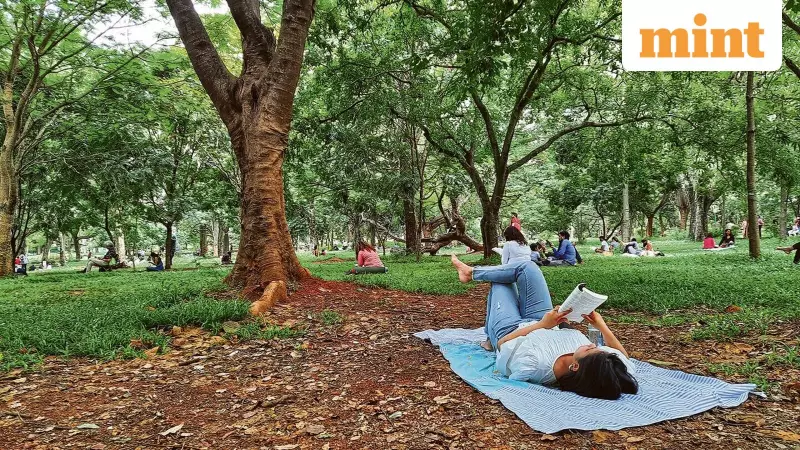
As a counter-movement to screens, literary travel is having a moment. "Reading and travel are intrinsically linked," says Rebecca Sinclair of Penguin Books UK. Expedia's Unpack '26 report finds that 91% of travellers are interested in a trip centred around reading and relaxation. This includes visiting libraries like Trinity College in Dublin, exploring book-themed museums, or joining reading retreats.
A fascinating sub-genre is 'romantasy' travel, inspired by fantasy novels. Booking.com states 91% of Indian travellers are interested in visiting destinations inspired by such stories, blending fantasy with real-world exploration.
Chasing the Glow: Skincare as a Travel Motive
Inspired by global beauty trends, 'glowcations' are on the rise. Travellers are planning trips specifically for skincare treatments, ancient thermal rituals, or microbiome testing. Booking.com notes that 93% of Indian travellers are open to booking a dedicated glowcation with tailored treatments. Sleep is a crucial part, with 86% interested in enhancement suites designed for better rest.
While South Korea leads interest, destinations like Morocco (for hamams), Hungary (for thermal baths), and India (for Ayurveda retreats) are gaining popularity.

Music, Sports, and Shared Road Trips
Major events continue to drive travel. Following the Taylor Swift phenomenon, 2026 will see huge sporting events like the FIFA World Cup and T20 Cricket World Cups spurring fan travel. Expedia estimates 57% of travellers are likely to attend a local sporting event while abroad, seeking authentic cultural experiences alongside the game.
Similarly, the global music tourism industry is booming, with more artists touring Asia Pacific. Road tripping is also evolving, with 97% of Indian travellers open to carpooling on vacation, seeking shared adventures and new connections, according to Booking.com.
The Quest for Quiet and Personal Milestones
In response to daily noise and stress, 'quietcations' and 'hushpitality' are becoming priorities. Travellers seek destinations for silence, reflection, and hobbies like birdwatching or foraging. 56% of Indian travellers say they would vacation to feel closer to nature.
Travel is also becoming a conscious celebration of personal milestones, not just traditional ones. Booking.com reports that 71% of Indian travellers don't need a reason to book a trip, with many travelling to mark personal achievements, sobriety, or fitness transformations.
The Role of AI in Curating Travel
Artificial Intelligence is ubiquitous in travel planning, though not without controversy. 54% of travellers are confident using AI to help plan and book travel in 2026, up from 47% the year before, as per industry data. While used for research and itinerary creation, concerns about accuracy and overtourism remain. However, the industry sees AI evolving from a simple assistant to an 'agentic' system that can solve complex traveller needs.
Ultimately, the trends of 2026 reflect a traveller who is intentional, expressive, and seeking depth. From the spices in a Tbilisi basement to the quiet of a forest retreat, journeys are becoming curated chapters of personal story, with the industry rapidly adapting to meet this demand for meaningful self-expression.