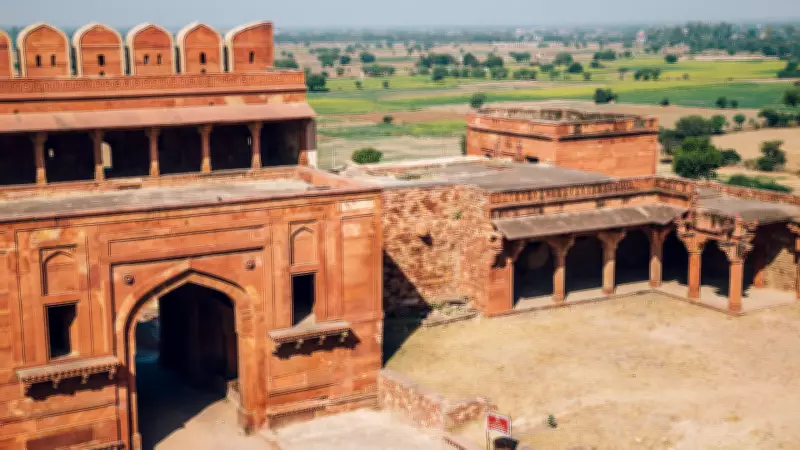
India's UNESCO World Heritage Sites are not just monuments or places; they are living examples of history, architectural brilliance, and the diversity this country holds. They include temples, wildlife habitats, and ancient capitals. The UNESCO World Heritage list for India is vast, but we have narrowed it down to ten absolute must-visit destinations that deserve a top spot on your travel bucket list. Here is a look at what makes them so special, why they earned their global status, and how you can experience them the right way.
Taj Mahal, Uttar Pradesh
You have probably seen the photos a million times, but standing in front of the Taj Mahal is an entirely different experience. This massive white marble monument sits on the banks of the Yamuna River in Agra. It is on the UNESCO list for being the absolute peak of Indo-Islamic architecture and a brilliant masterpiece of Muslim art. Take a slow walk around the intricate marble screens and courtyards. For a fresh angle, head across the river to Mehtab Bagh just before sunset. Winter is your best bet for a visit, plan for anytime between October and March, and try to get there right at sunrise to skip the heavy tour bus crowds and enjoy the soft morning light.
Agra Fort, Uttar Pradesh
Just a short distance from the Taj Mahal is its rugged red sandstone neighbor. Agra Fort is a giant crescent-shaped fortress where generations of Mughal emperors lived and ruled. It earned its UNESCO tag because it perfectly shows how Mughal architecture evolved over the years, mixing heavy defensive walls with stunning white marble palaces tucked inside. Spend hours wandering through the ancient courtyards and beautifully colonnaded halls. Make sure you find the riverside terraces, which offer a spectacular view of the Taj Mahal. Since this place requires a lot of walking, the cooler months from October to March are ideal.

Qutub Minar, Delhi
Tucked away in the busy neighborhood of Mehrauli in South Delhi, this complex centers around a soaring 72.5-meter tower built from red and buff sandstone. In the evening, the monument glows when lit up. You will also find the famous iron pillar here, an ancient mystery that refuses to rust despite centuries of weather. Delhi weather is at its best from October to March. If you visit between 7:00 AM and 9:00 AM, you will get a peaceful walk.
Ajanta and Ellora Caves, Maharashtra
Carved straight into steep basalt cliffs, these two cave systems are guaranteed to leave you speechless. They were awarded heritage status for being unparalleled masterpieces of ancient rock-cut architecture. Ajanta is famous for its intricate Buddhist murals, while Ellora brings Buddhist, Hindu, and Jain temples together in one giant area. At Ajanta, you will follow a horseshoe-shaped path into dark caves filled with painted royal processions. Ellora is home to the Kailasa temple, a massive chariot carved top-down out of a single mountain. The cool weather between November and February is highly recommended for the best experience.
Hampi, Karnataka
Hampi was the last capital of the incredibly wealthy Vijayanagara empire. It earned its spot on the list for its brilliant urban planning, stunning temples, and the way the ancient city blends flawlessly into the rocky nature around it. The best way to explore is to rent a scooter or a bicycle and just roam. Check out the famous stone chariot, take a traditional coracle boat ride on the river, or hike up Matanga Hill for a killer sunset. The rocks heat up like an oven in summer, so stick to visiting between October and March for a comfortable trip.
Khajuraho Group of Monuments, Madhya Pradesh
Sitting quietly in the plains of central India, Khajuraho is a collection of incredibly detailed sandstone temples. The site is a brilliant mix of architecture and sculpture, most famous for its dense carvings of deities, royal court scenes, and iconic erotic art. Spend your day at the Western Group of temples to see the towering Kandariya Mahadeva up close. Stick around for the evening light and sound show to learn the fascinating history behind the stones. The weather is cool and pleasant from October through March, making it perfect for hopping between the different temple clusters.

Great Living Chola Temples, Tamil Nadu
Spread across the Kaveri delta, these three giant stone temples represent the sheer power of the Chola dynasty. UNESCO recognized them as a massive creative leap in Dravidian architecture. But what makes them truly special is that they are not abandoned ruins; they are highly active places of worship. You can watch daily rituals, see local devotees, and admire the towering structures and massive stone Nandi bulls. Tamil Nadu stays pretty hot and humid all year, so your best window is between November and February. Try to plan your visits for early morning or late afternoon to dodge the midday heat.
Amer Fort, Rajasthan
Amer is one of the most visited attractions in the Pink City of Jaipur. The massive fort defines the landscape of the city and holds immense heritage value. It showcases brilliant architecture that adapts to some pretty crazy environments. The fort has its own unique personality. When here, do check out the mirrored halls, simply stunning. Rajasthan is absolutely beautiful in winter. October to March gives you sunny days and cool nights, which are perfect for hiking up those steep fort ramps.
Sundarbans National Park, West Bengal
Sundarbans is a giant maze of muddy waterways and mangrove forests on the Bay of Bengal. It was recognized for its insane biodiversity and complex ecology. It acts as a natural shield against coastal storms and is the famous home of the elusive Bengal tiger. You can go for boat safaris or spot massive estuarine crocodiles, colorful birds, and the sheer beauty of the mangroves makes the trip unforgettable. November to February is the golden time to go; the humidity drops and wildlife is much easier to spot along the banks.
Western Ghats, Multiple States
Way older than the Himalayas, the Western Ghats form a massive mountain chain running down the western coast of India. UNESCO put this entire region on the list because it is one of the top eight biological hotspots on earth. It is loaded with rare plants and animals, dramatic cliffs, and thick tropical forests. Since the area covers several states, pick a specific spot like Munnar, Wayanad, or Coorg for your trip. You can trek through high grasslands, explore rolling tea estates, or crash at a colonial-era coffee plantation. October to February is ideal for clear skies and trekking. But if you want to see dramatic waterfalls and misty hills, visiting during the monsoon from June to September is purely magical.