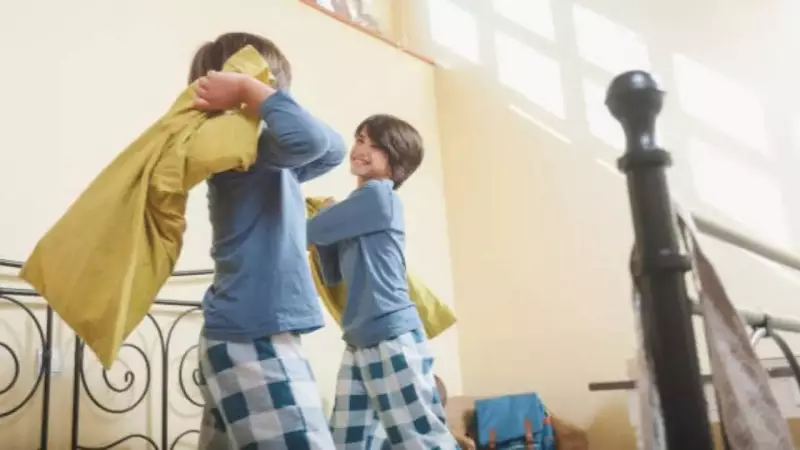
If you are a parent, the sound of siblings squabbling is likely a familiar soundtrack to your daily life. From tussles over a favourite toy to heated debates about who gets the remote, these conflicts often seem to erupt most fiercely within the family home. While exhausting, this phenomenon is not only common but, according to experts, rooted in the very nature of family bonds and child development. Here are six compelling reasons why the home becomes the primary arena for sibling disputes.
The Psychology Behind Home as a Battleground
The home serves as an emotional safe zone where children feel utterly secure. Unlike school or public spaces where they must maintain composure, home is where they drop their guard. This sense of unconditional safety allows frustrations, jealousy, and anger to surface freely, often directed at a sibling. Ironically, this frequent fighting is a testament to the deep bond and trust shared within the family unit.
Another critical factor is constant proximity. Siblings spend a significant amount of time together at home, sharing bedrooms, belongings, electronics, and, most importantly, their parents' attention. This lack of private space and the inevitability of interaction create a perfect environment for friction to spark over seemingly minor issues.

Root Causes of Sibling Conflict
A major driver of fights is the innate competition for parental attention and affection. Children are hardwired to seek approval from their caregivers. Who received praise first? Whose story is being listened to? Who got the last hug? These perceived inequalities can quickly escalate into verbal or physical brawls, as each child vies to feel seen and valued.
Furthermore, clashing personalities under one roof are a recipe for disagreement. Each child possesses a unique temperament—one may be easy-going while another is highly competitive or sensitive. At home, children are their authentic selves, not hiding their natural inclinations. When these differing personalities collide without the social filters used outside, conflict is a natural, though challenging, part of learning to coexist.
The Hidden Benefits and Emotional Spillover
Often, unresolved emotions from the outside world are brought home and discharged on siblings. A bad day at school, a disappointment with friends, or a general sense of frustration that a child cannot yet articulate may simmer beneath the surface. The sibling, as a readily available and safe target, often becomes the recipient of this pent-up emotional spillover, making home the release valve for the day's stresses.
Despite the chaos it causes, sibling conflict is a vital training ground for essential social skills. Through these disputes, children learn negotiation, compromise, empathy, and how to set boundaries. They practice problem-solving and conflict resolution in a relatively low-stakes environment. With mindful parental guidance that helps them navigate these fights constructively, siblings can transform from fierce competitors into lifelong allies, learning unity through their disputes.