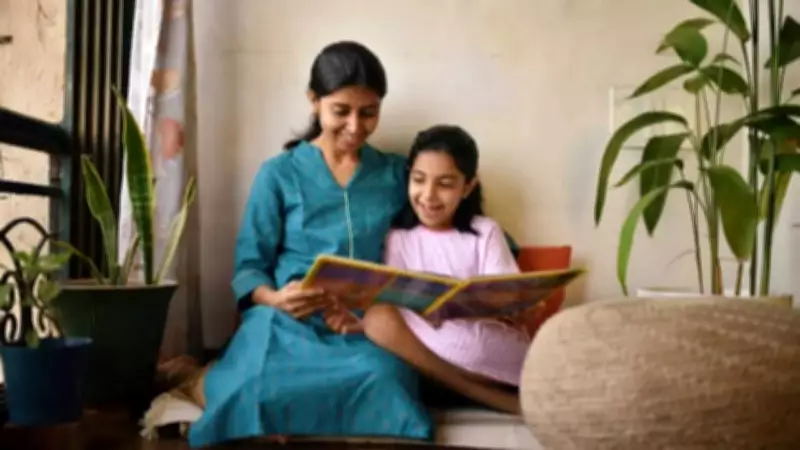
The Power of Everyday Moments in Parenting
In the quest to raise children successfully, many parents rely heavily on imparting advice, setting guidelines, and delivering lengthy lectures to steer their offspring toward the right path in life. However, psychological research and expert insights consistently highlight that children rarely retain these verbal instructions in the long term. Instead, it is the seemingly insignificant, shared moments between parents and children that forge the most enduring impressions on a young mind. While parental guidance can offer benefits, the emotional resonance of small, everyday interactions proves far more impactful in shaping a child's development and worldview.
Emotional Memories Trump Verbal Advice
Studies indicate that children are predisposed to remember emotional experiences over didactic lectures from their parents. Simple acts, such as a comforting hug before school, attentive listening after a challenging day, or offering support during tough times, create powerful emotional memories. These moments not only make children feel safe and secure but also reinforce their bond with their parents, fostering a sense of trust and belonging that lasts well into adulthood.
Learning Through Observation Rather Than Instruction
Parents often emphasize values like kindness, patience, and honesty through words, but children absorb these principles more effectively by observing their parents' actions. For example, witnessing a parent assist someone in need serves as a practical lesson in empathy and compassion. Such real-life demonstrations become invaluable learning tools, teaching appropriate behavior more convincingly than any spoken advice could achieve.

Small Gestures Foster Security and Confidence
A child's sense of security is profoundly influenced by parental behavior. Minor gestures, like packing a favorite snack in a school bag, signal care and attentiveness, making the child feel valued and protected. These actions help children perceive their parents as consistently available and supportive, which in turn boosts their confidence and willingness to express emotions openly. This foundation of security is crucial for healthy emotional development.
Meaningful Connections in Ordinary Settings
Strong parent-child bonds often develop during routine activities, such as walks, cooking together, or car rides. In these relaxed, ordinary situations, children feel more at ease to share their thoughts and feelings, leading to deeper connections. These environments provide rich opportunities for learning and emotional exchange, surpassing the effectiveness of formal lectures on behavior and life skills.
Positive Memories Shape Future Relationships
The small, positive incidents of parenting that children remember frequently form the basis of their lifelong associations with their parents. A soothing word on a difficult day or quiet support for their interests can become cherished memories that guide how children perceive relationships and support systems. Experiencing kindness, patience, and care from parents equips children to extend these qualities to their own partners and families in the future, perpetuating a cycle of healthy relationships.